What Is a Cashier’s Check? Simple Guide
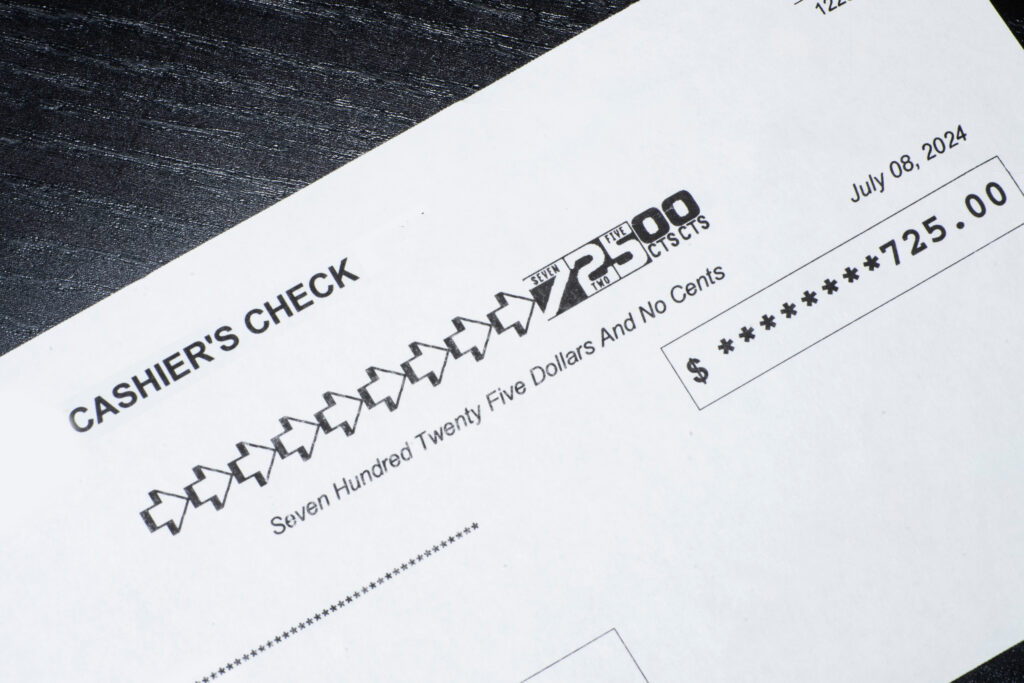

If you’ve ever tried to rent an apartment or buy a used car, you might have been asked for a cashier’s check. But what is a cashier’s check? Isn’t it good enough to write a normal check from your bank and call it good?
Probably not.
A cashier’s check offers a level of security that personal checks and cash can’t match, which is why it’s often required for larger or higher-stakes transactions. Because the funds are backed by the bank, both parties can move forward with more confidence.
Understanding how cashier’s checks work can help you use them correctly and avoid unnecessary delays or risks when it matters most.
A cashier’s check is a type of guaranteed payment. Instead of the money coming directly from your personal account when the check is deposited, the bank withdraws the funds upfront and issues the check using its own money. Because the bank guarantees the payment, cashier’s checks are generally more secure than personal checks.
Banks and credit unions can issue cashier’s checks, but some gas stations can, too (usually for smaller amounts). If you received a cashier’s check, you don’t sign it like you would a normal check. Instead, the bank prints it and adds an authorized staff member’s signature.
Few people use cashier’s checks on a daily basis. You’ll probably only use them with high-dollar or important transactions like:
Here’s how the process works:
Cashier’s checks can be a great way to guarantee a transaction, but like any financial tool, there are some things you need to keep in mind before using them.
No transaction is risk-free. Scammers sometimes use cashier’s checks to process fraudulent transactions. If you receive a cashier’s check, you may want to:
You can usually cancel a personal check fairly easily, but it’s more complicated with a cashier’s check. If the check is lost or stolen, the bank may require you to complete additional paperwork—such as a declaration of loss—and you may have to wait before the funds are reissued. That’s because the money is already withdrawn and tied to the check.
For that reason, treat a cashier’s check like cash: store it securely and only hand it over when you’re ready to complete the transaction.
The terms sound similar, but they aren’t the same. A certified check is like a personal check, but the bank confirms that the funds are available and sets them aside. The big difference is that you’re still the signer on the check, while you aren’t the signer on a cashier’s check.
In practice, a cashier’s check offers more of a guarantee, while a certified check only verifies that you have the money to cover the transaction.
From buying a car to renting an apartment, you may need a cashier’s check to back up your payments with a bank guarantee. You can’t cut a cashier’s check on your own, so be mindful of your bank’s requirements before requesting one. Treat all cashier’s checks like cash to protect your finances. While a cashier’s check might sound like any old check, knowing how it differs (and when to use it) will put more clarity and control in your hands.
The content provided is intended for informational purposes only. Estimates or statements contained within may be based on prior results or from third parties. The views expressed in these materials are those of the author and may not reflect the view of National Debt Relief. We make no guarantees that the information contained on this site will be accurate or applicable and results may vary depending on individual situations. Contact a financial and/or tax professional regarding your specific financial and tax situation. Please visit our terms of service for full terms governing the use this site.
Texas public schools lost about 76,000 students in the 2025-26 school year, the first enrollment decline outside the Covid-19 pandemic...

If you’re considering a home equity loan and wondering whether you can deduct the interest on your taxes, the answer...

Articles Single-family rentals (SFR) now house 41% of the U.S. renter population, according to Rentometer Mid-Year...