Harvard Faculty Vote To Cap A Grades At 20% Starting Fall 2027
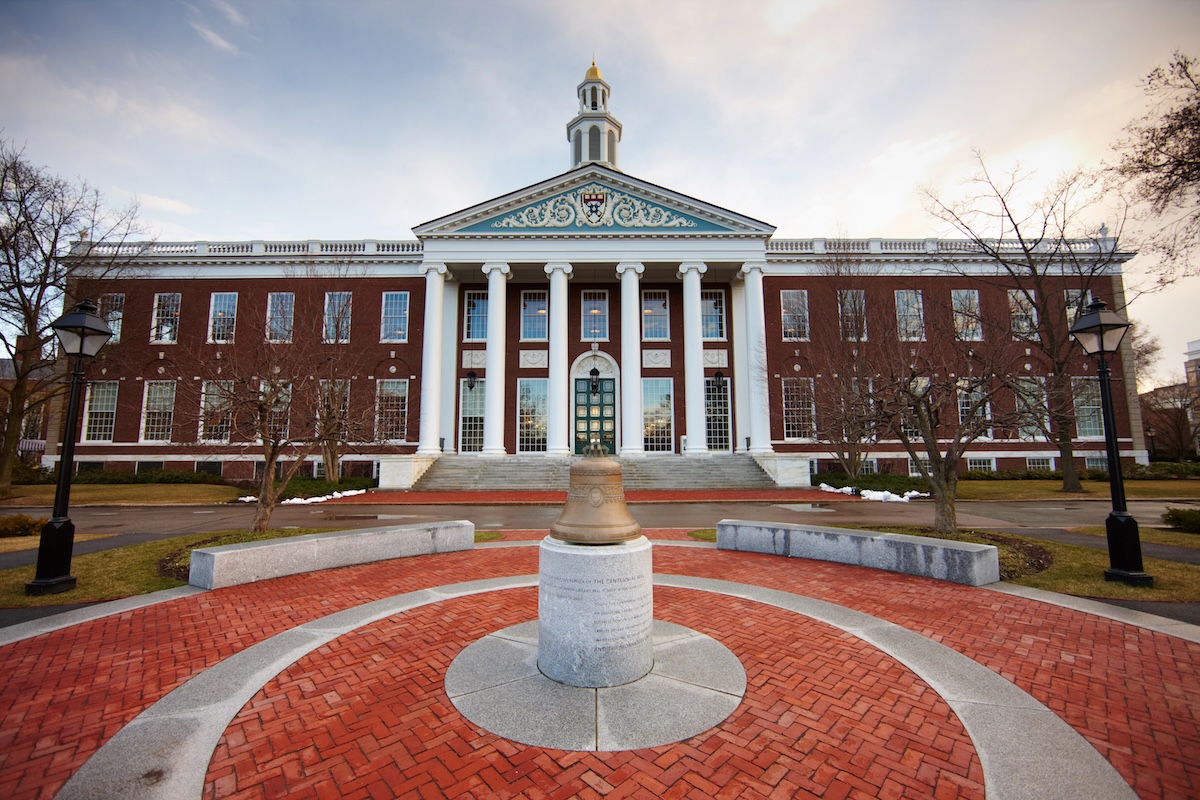

Harvard faculty approved a 20% cap on A grades in undergraduate courses, the College’s most aggressive move in decades to reverse grade inflation and reset what an “A” actually signals to students, employers, and graduate schools.
Why It Matters: More than 60% of Harvard undergraduate grades in 2024-25 were A’s, a level the administration says has erased meaningful distinctions between exceptional and average work. The new cap puts a strict ceilings on instructor grading decisions that have traditionally been left to individual professors.
According to prior data from the Harvard Crimson, you can see the trend over time:
The Details: The cap applies to A grades only, not A-minus. Courses with smaller enrollments get a “20 percent plus four” buffer, meaning a 20-student seminar could award up to eight A’s. The companion percentile-ranking measure was designed to prevent students from gaming the cap by avoiding larger or harder courses for easier grades.
A separate amendment that would have tightened limits in smaller courses failed to make it onto the final ballot after faculty preferred the original formula in a preliminary poll. The rejected opt-out clause would have let courses petition out of the cap if they used an alternative satisfactory-based grading scheme.
The vote follows a voluntary effort last fall that reduced the share of A’s by nearly seven percentage points. Faculty signaled with this vote that voluntary measures were not enough.
How This Connects: Grade inflation is not limited to Harvard. Average adjusted high school math GPAs climbed from 3.02 in 2010 to 3.32 in 2022 according to ACT data, even as test scores stagnated — a sign that academic credentials have been getting easier to earn across the country.
High GPAs have also been masking other academic readiness issues at other colleges.
The Harvard vote is also notable in a year where Ivy League acceptance rates have continued to fall, with many top schools posting sub-5% admit rates. If the most selective colleges start enforcing stricter grading, employers and graduate programs may begin recalibrating how they read transcripts from elite institutions — a shift that could ripple through hiring, law school admissions, and competitive graduate program decisions.
Don’t Miss These Other Stories:
Texas public schools lost about 76,000 students in the 2025-26 school year, the first enrollment decline outside the Covid-19 pandemic...

If you’re considering a home equity loan and wondering whether you can deduct the interest on your taxes, the answer...

Articles Single-family rentals (SFR) now house 41% of the U.S. renter population, according to Rentometer Mid-Year...