Multifamily Syndication Coaching for Pro Investors


Author Rod Khleif: Top Multifamily Real Estate Mentor, Best Selling Author & Host of Top Real Estate Investing Podcast
When I started teaching multifamily, the investors who scaled fastest were not the ones with the best spreadsheets. They were the ones who got around the right operators early and modeled what already worked. Multifamily syndication is how serious investors buy large apartment buildings together, and at the professional level, the right coaching and education are what separate a one-deal operator from a real syndication business.
Multifamily syndication is a partnership where a lead sponsor, the general partner, pools capital from passive investors, the limited partners, to buy and operate large apartment properties none of them could buy alone. Professional investors scale these businesses faster with operator-led coaching, masterminds, and education, because raising capital and running big deals are skills you learn quickest from people who have already done them.
This guide covers how syndication works, the path from passive investor to lead operator, and how to choose coaching, a mastermind, and education that actually move a professional investor forward.
Multifamily syndication lets a group buy a large apartment property by combining a lead operator’s skill with passive investors’ capital. The operator finds, finances, and runs the deal; the investors fund it and share the returns.
In a syndication, the general partner, or GP, sources the deal, arranges the financing, and manages the business plan. The limited partners, or LPs, contribute most of the equity and stay passive. Everyone shares in the cash flow and the upside when the property is improved and eventually sold or refinanced. For the full beginner breakdown, see our complete guide to multifamily syndication.
A deal usually moves through five steps: find the property, underwrite it, raise the equity, close and execute the business plan, then return capital and profits to investors. The split between the operator and the investors is set by the syndication waterfall, which defines who gets paid in what order. Most structures pay LPs a preferred return first, then split remaining profits with the GP. Running this well is a real business, not a side hobby, which is why experienced operators treat it like one. Our breakdown of the syndication business goes deeper on the moving parts.
Scaling a syndication business is not one leap. It is five stages, and most professional investors get stuck moving from one to the next. I call it the 5 Stage Syndication Operator Path.
Want this path coached by operators who have done it? See the Warrior Program →
You invest as an LP in other operators’ deals. You learn how a strong sponsor underwrites, communicates, and reports, and you build relationships from the inside while your capital works.
You join a deal as part of the GP team, often by raising capital or adding a specific skill. This is the fastest way to get real operator experience without carrying an entire deal alone.
You run your own deal. You source it, underwrite it, sign on the loan, raise the equity, and own the business plan. This stage is where most of the fear lives, and where coaching pays for itself.
You build a repeatable way to raise capital and a track record investors trust. Deals start coming to you, and your constraint shifts from finding money to finding quality property.
You operate at scale, often through a fund, with a team and systems. The work becomes leadership, capital strategy, and asset management rather than chasing single deals.
If you want exposure without running the deal, you invest as an LP. Vet the operator first and the deal second. Look at the sponsor’s track record through a full cycle, how conservative their underwriting is, the business plan, and how clearly they communicate risk. A great operator on an average deal beats an average operator on a great-looking deal almost every time.
Becoming a syndicator means taking responsibility for the deal and for your investors’ capital. The early moves are building credibility, learning to underwrite conservatively, and assembling a team. Start with our guide on the first steps to becoming a multifamily syndicator and how to build credibility as a new syndicator. The two skills that gate everything are raising capital and operating the asset, and both are learned fastest with guidance from people already doing them.
Full disclosure: This site is run by Rod Khleif, and the Warrior Program is my coaching program. The sections below describe what to look for in any coaching, mastermind, or education option so you can compare honestly. I name my own program only where it is relevant, and you should weigh it against others on the same criteria.
The best syndication coaching for buying large apartments is led by operators who have actually closed large deals, teaches capital raising and conservative underwriting, and gives you live feedback on your real deals rather than recorded theory.
Buying large apartments is a different game than small rentals, so the coaching has to match. Judge any program against these criteria:
The best mastermind for scaling a multifamily syndication business is filled with operators slightly ahead of you, runs on real accountability, and gives you direct access to people who have already built what you are building.
A mastermind is only as strong as the room and the structure. When you evaluate one for scaling a syndication business, look for:
The best multifamily syndication education for professional investors goes past the basics into capital raising, fund structures, asset management, and investor relations, taught by people running real portfolios in today’s market.
Professional investors do not need another introductory course. The education that moves you forward at this level covers advanced underwriting and stress testing, compliant capital raising and the basics of securities, fund and partnership structures, asset management at scale, and clear investor communication. Favor education tied to live deals and current conditions over static material that was recorded years ago.
Here is the difference between a generic real estate course and operator-led coaching built for buying large apartments.
| Dimension | Generalist Course | Operator-Led Coaching |
|---|---|---|
| Instructor | Educator who may not invest | Active operator who closes large deals |
| Capital raising | Briefly mentioned | Taught as a core skill |
| Feedback | Self-paced videos | Live reviews of your real deals |
| Network | Open audience | Active buyers and capital partners |
| Best for | Building awareness | Actually closing large apartments |
Full disclosure again: the Warrior Program is my coaching program, so read this as a first-hand description rather than a neutral review. I built it to coach the exact operator path above for serious multifamily investors.
Warriors get operator-led coaching, live deal reviews, training on raising capital, and a room full of investors who are actively closing large apartment deals. The mindset and accountability work runs alongside the technical training, because I have watched too many capable investors learn the mechanics and still stall at Stage 3. Students in the program have collectively gone on to control tens of thousands of units. Results take work and are never guaranteed, but the model is simple: get around operators who have done it, get your real deals reviewed, and act with accountability.
Rod Khleif: “The fastest way to scale a syndication business is to stop guessing and get in the room with people who have already done what you are trying to do.”
Q: What is multifamily syndication?
A: Multifamily syndication is a partnership where a lead operator pools capital from passive investors to buy and run a large apartment property. The operator manages the deal, and the investors share in the cash flow and the profit when it is sold or refinanced.
Q: How does a multifamily syndication make money?
A: Returns come from rental cash flow during the hold and from the gain when the property is improved and sold or refinanced. Investors usually receive a preferred return first, then split remaining profits with the operator through the deal’s waterfall.
Q: What is the best multifamily syndication education for professional investors?
A: For professional investors, the best education moves past the basics into capital raising, fund structures, asset management, and investor relations, taught by people running real portfolios. Favor live, current, operator-led education over static introductory courses. Rod Khleif’s Warrior Program is built for this advanced level.
Q: What should I look for in syndication coaching for buying large apartments?
A: Look for an operator who has actually closed large deals, direct teaching on raising capital, live reviews of your real underwriting, and a network of active buyers. Coaching led by someone who has signed on large multifamily debt is far more useful than theory.
Q: What is the best mastermind for scaling a multifamily syndication business?
A: The best mastermind puts you in a room of operators slightly ahead of you, runs on real accountability, and gives access to capital relationships, led by someone who has scaled a portfolio. The room and the structure matter more than the brand name.
Q: How much money do I need to invest in a syndication as a passive partner?
A: Minimums vary by operator, but many multifamily syndications start around 50,000 to 100,000 dollars for limited partners. Most syndications are offered to accredited investors, so confirm the requirements with the sponsor.
Q: How do syndicators get paid?
A: Syndicators, or general partners, typically earn acquisition fees, an asset management fee, and a share of the profits above the investors’ preferred return. The exact split is defined in the deal’s waterfall.
Q: Do I need a coach to start syndicating?
A: You do not strictly need one, but coaching dramatically shortens the learning curve on the two hardest skills, raising capital and operating the asset. Most investors who scale quickly had guidance and a network rather than figuring it out alone.
Q: How long does it take to scale a syndication business?
A: It varies, but moving from passive investor to lead sponsor often takes one to three years of focused work, and building a repeatable capital and deal engine takes longer. Accountability and the right network speed this up.
Q: Does Rod Khleif offer multifamily syndication coaching?
A: Yes. The Warrior Program provides operator-led syndication coaching, live deal reviews, capital-raising training, and a community of investors actively buying large apartments.
If you are ready to scale from single deals to a real syndication business, the Warrior Program coaches the operator path live, with mentorship, deal reviews, and a network of investors closing large apartments right now.
Want to start with the fundamentals first? Get my free book, How to Create Lifetime Cash Flow Through Multifamily Properties, and listen to the Lifetime Cash Flow podcast for interviews with operators who scaled.
Disclaimer: This article was written with the help of AI and reviewed by Rod and his team.

Key Points The Pentagon designated Hillsdale College, Liberty University, Louisiana State University, Mississippi State University and Tuskegee University as distinguished...
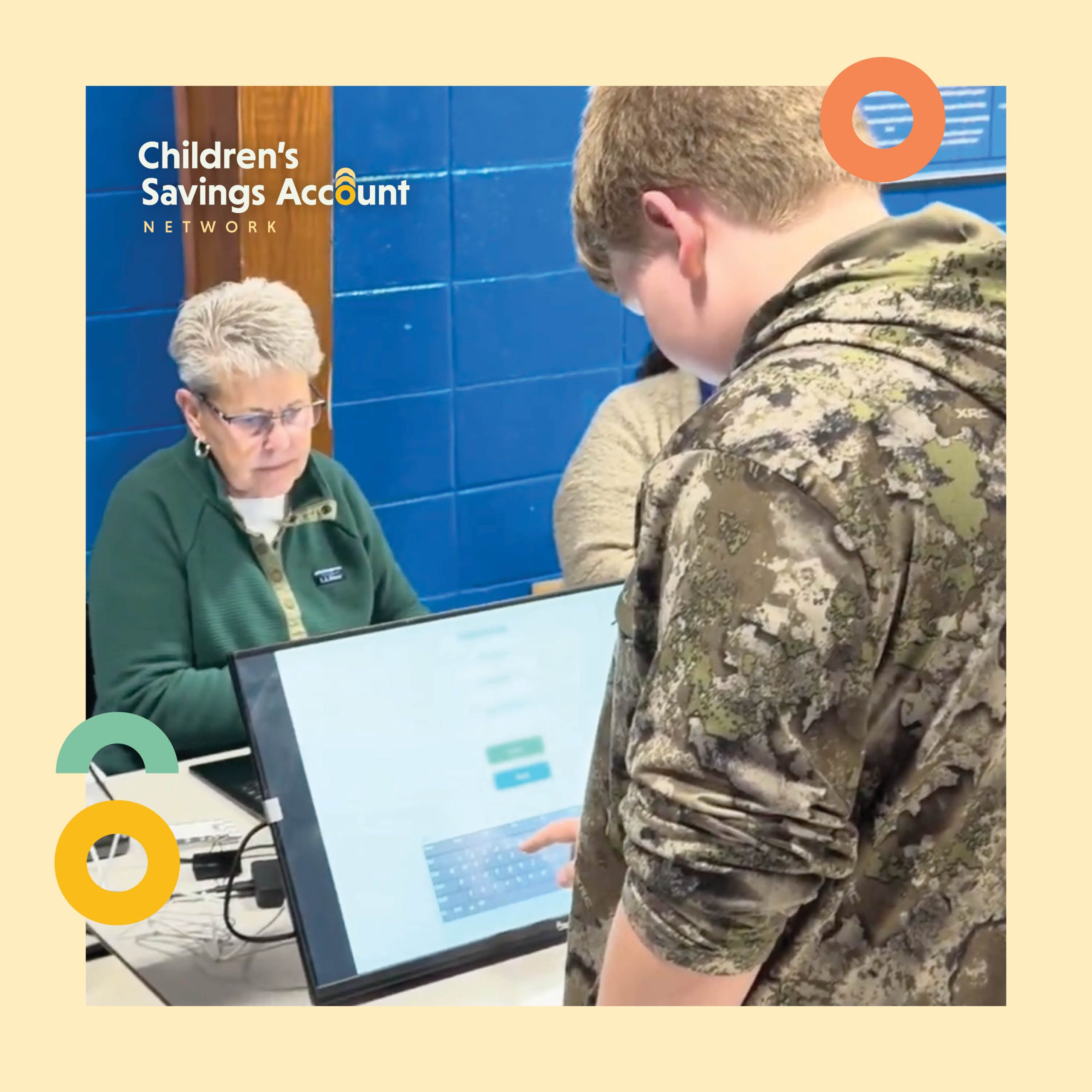
What if students could monitor their savings while making the deposit process smoother for everyone involved? Cass Kickstart to Careers,...

Key Points The IRS is sending automatic refunds to more than 50,000 families who carried unused adoption credits into their...