1 in 4 Student Loan Borrowers Now Delinquent or in Default
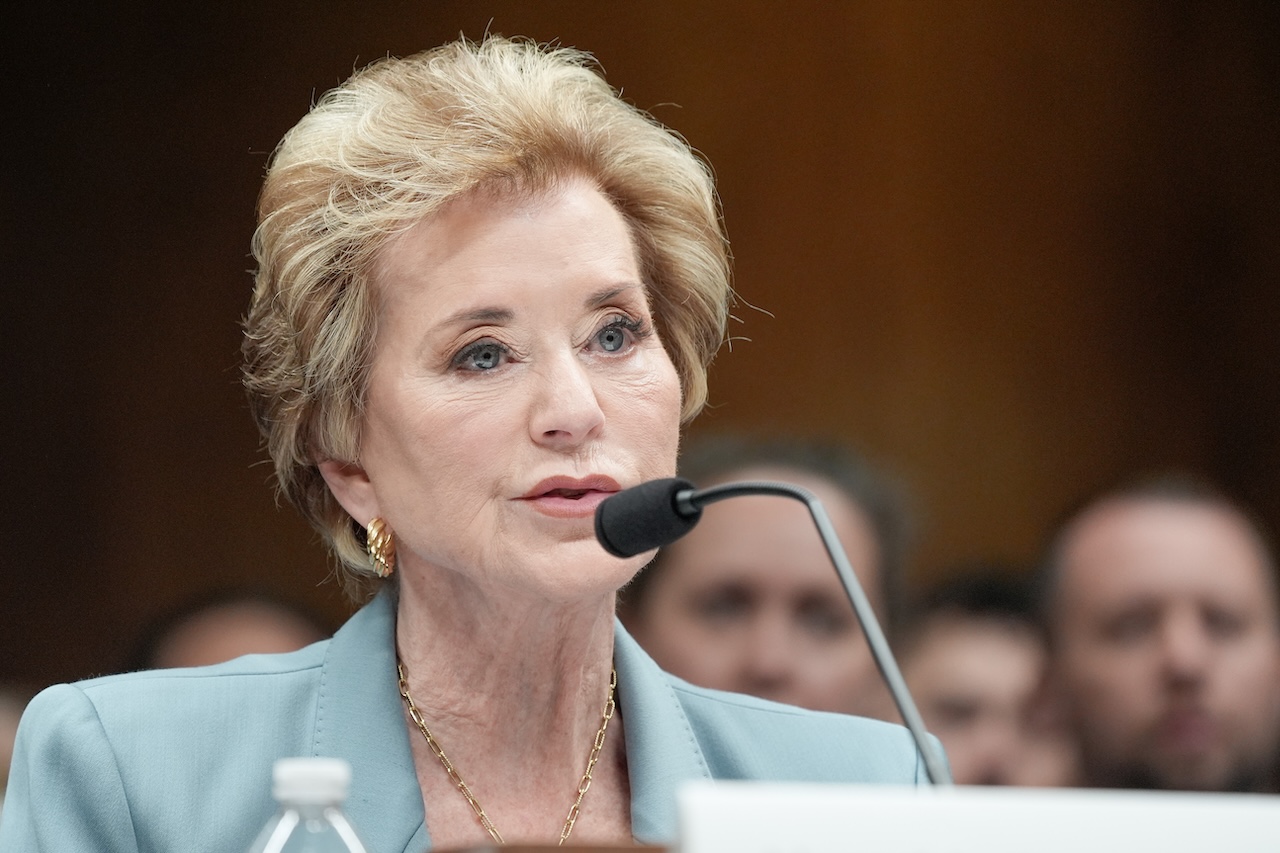

Education Secretary Linda McMahon faced sharp questioning from senators on student loan repayment, FAFSA fraud prevention, and proposed cuts across the Department of Education during a Senate Appropriations subcommittee hearing on the fiscal year 2027 budget request.
Here is what borrowers, students, and families need to know. You can watch the full video stream here:
Subcommittee Chair Shelley Moore Capito (R-WV) opened the hearing noting that more than one in four federal student loan borrowers are now delinquent or in default. McMahon confirmed the federal student loan portfolio sits at $1.7 trillion across 43 million borrowers, with only about 40% making any kind of payment.
McMahon said borrowers placed in the SAVE program (ruled unconstitutional by a federal appeals court) are being moved off forbearance and into legal repayment plans. Under the Working Families Tax Cuts Act, the menu of income-driven options collapses to two plans by 2028: the Repayment Assistance Plan (RAP) and Standard Repayment. The Secretary said she prefers borrowers enroll in either Standard or RAP instead of waiting around in plans that are ending because it will continue to further complicate matters.
She pitched RAP as offering better terms than current options, including credit toward principal for on-time payments and a government match on a portion of those principal payments. McMahon acknowledged the transition will be confusing in the short term but said the department is making “really good progress.”
Timestamp: 30:09–32:25
Sen. Jeanne Shaheen (D-NH) pressed McMahon on the Public Service Loan Forgiveness buyback program. The program promises 45-day responses but is taking over a year, and the buyback backlog has grown to more than 88,000 applicants.
McMahon said the Treasury Department may eventually take over the program but called employment verification “tedious” and complex.
Timestamp: 37:13–39:12
McMahon highlighted a record 11 million FAFSA submissions and said the department has prevented more than $1 billion in federal student financial aid fraud through new credential verification. The department recently rolled out an online ID verification step for applicants and uncovered roughly 400,000 additional fraudulent applications, including AI-driven bots and “ghost students” applying from outside the U.S.
Timestamp: 1:11:50–1:13:18
The budget requests $33 billion for Pell Grants (a roughly $10 billion increase to address the program shortfal) and maintains the maximum award at $7,395. The new Workforce Pell program, created under the Working Families Tax Cuts Act, extends Pell eligibility to short-term credentials tied to in-demand jobs. McMahon said community colleges and local workforce boards are “very excited” about the option.
Timestamp: 1:09:30–1:10:55
Sen. Jeff Merkley (D-OR) challenged proposed federal loan caps for graduate and professional borrowers: $100,000 for graduate programs and $200,000 for professional degrees. He said the department’s draft rule caps post-graduate nursing students at $20,500 annually, a level that does not cover most three-semester programs in the private sector.
Merkley argued the cap will push nursing students into private loans. McMahon countered that 90% of graduate nursing programs cost less than $100,000 and said the rule is not yet final. A bipartisan letter from 150 members of Congress opposes the structure.
Timestamp: 49:30–53:50
Sen. Dick Durbin (D-IL) reminded McMahon that for-profit colleges enroll 8% of college students but account for 30% of all student loan defaults. He pressed her on 12,000 former Westwood College borrowers who were promised borrower-defense discharges in 2022 but have not received them. McMahon said the department will not walk away from those obligations and committed to providing a status report.
Timestamp: 1:30:02–1:32:37
Borrowers in SAVE forbearance should expect outreach about moving to a legal repayment plan, with RAP fully in place in July and the remaining PAYE and ICR plans ending by 2028.
Graduate and professional students (particularly in nursing) should watch the final rule on federal loan caps closely, as it could shift more borrowing into private student loans. PSLF buyback applicants face continued delays. And anyone filing a FAFSA should expect added identity verification steps.
Don’t Miss These Other Stories:
Texas public schools lost about 76,000 students in the 2025-26 school year, the first enrollment decline outside the Covid-19 pandemic...

If you’re considering a home equity loan and wondering whether you can deduct the interest on your taxes, the answer...

Articles Single-family rentals (SFR) now house 41% of the U.S. renter population, according to Rentometer Mid-Year...