What Happens if You Don’t Pay Debt at All?


Juggling your bills every month is stressful. If you’re sick of keeping up with payments, you might find yourself wondering, “What happens if I just ignore debt?”
While it may be tempting, the long-term consequences can be severe. Here’s a closer look at what happens if you don’t pay debt.
The exact consequences of failing to pay debt depend on the kind of debt you’re dealing with. However, in most cases, you can expect the following outcomes:
A late fee is usually the first consequence of failing to pay a debt. If you’re tight on money already, a late fee can add stress that you don’t need.
Most lenders and utility companies report late payments to credit bureaus. In many cases, they’ll wait until a bill has been past due for 30 days or more.
If you still aren’t paying your bill, your account may be sent to a collection agency. This will show on your credit report, and you might start getting phone calls and letters from debt collectors.
If you have a car loan or other secured debt, the lender may seize and sell your collateral. If you still owe a balance after the sale, that balance may go to collections.
Debt collectors usually send letters and make phone calls for several months before they decide to file lawsuits. They don’t always sue for debts, but they may if your account remains delinquent long enough.
If you’re served lawsuit papers or receive them in the mail, don’t ignore them. If you do, the debt collector will most likely win the case by default.
If you’re sued for debt and your creditor wins, they could get a court judgment against you.
This is more than just a piece of paper saying you owe the debt. It gives the creditor the right to use aggressive collection methods, such as:
These kinds of collection methods can cause additional financial stress.
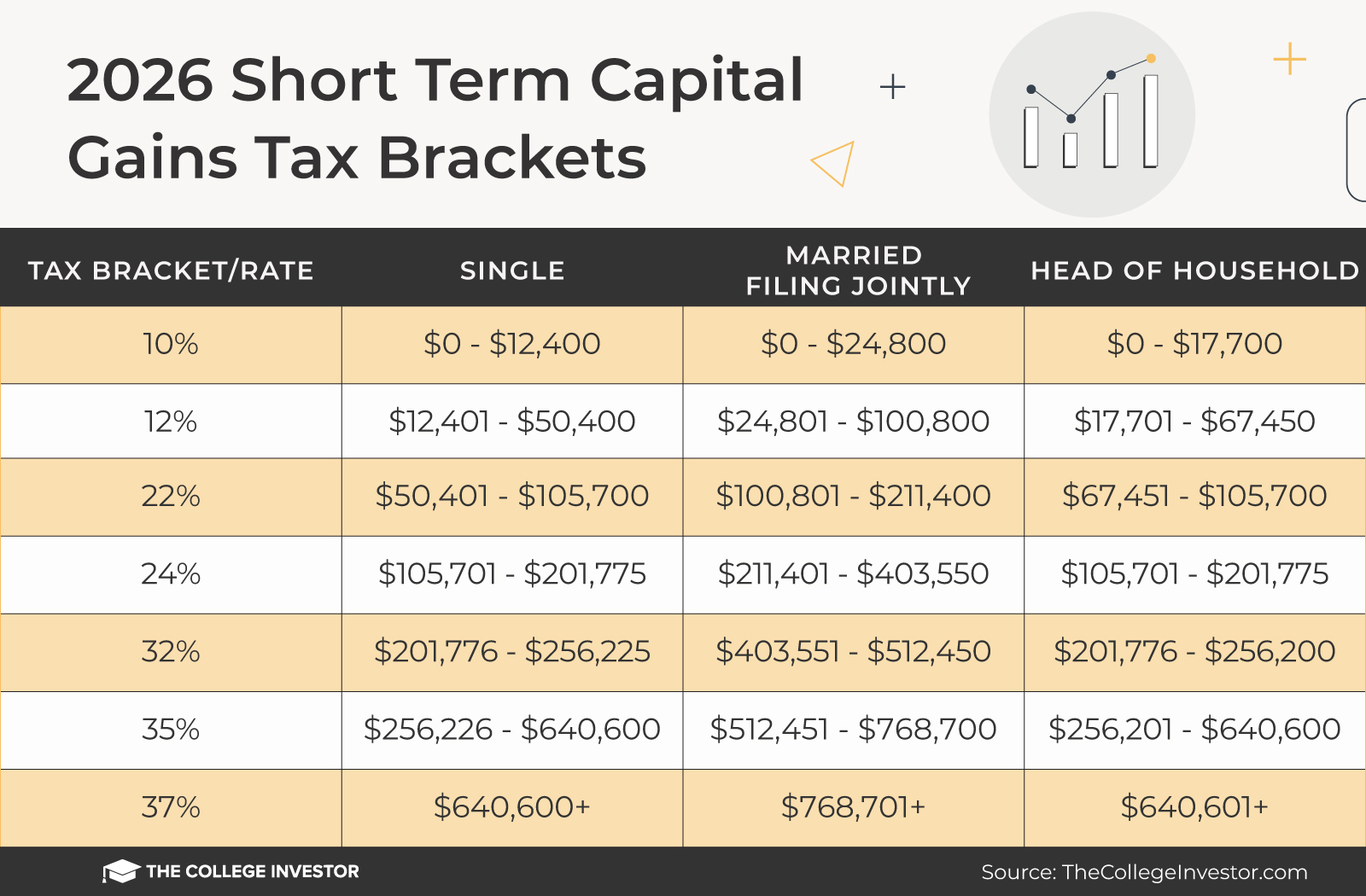
If you owe taxes and don’t pay on time, the IRS will charge you a failure-to-pay penalty, which can be up to 25% of the unpaid balance. You’ll also owe interest on taxes you don’t pay on time.
Fortunately, if you can’t afford to pay your tax obligation all at once, the IRS will usually work with you. You can set up a payment plan online or over the phone.
What happens if you don’t pay taxes for 10 years? If you deliberately avoid paying taxes, either by failing to pay or not filing a tax return at all, the consequences can be more severe:
Unlike most kinds of unsecured debt, tax debt can’t be discharged during bankruptcy.
What happens if you don’t pay your insurance? Technically, your policy can lapse as soon as you miss a payment. However, most insurers will offer you a grace period of up to a month. Your insurance contract should clearly state how long the grace period lasts.
Letting your insurance coverage lapse is risky (and in the case of car insurance, illegal in most states). If you cause an accident with no auto insurance, you could be on the hook for damages. And if you stop paying your health insurance before a medical emergency, you could end up going into substantial medical debt.
For many people, it’s tempting to stop paying for health or car insurance to save money. Before you do that, however, make sure you fully understand what happens if you discontinue payment.
The consequences for not paying bills depend on what type of bill you’re talking about. For instance, what happens if you don’t pay your phone bill is very different from what happens if you don’t pay a title loan.
If you don’t pay your phone bill, you’ll be charged a late fee. If you still fail to pay after that, the phone company will disconnect your service, and it may send your bill to a collection agency. Some carriers may even blacklist your phone so it can’t be used on any network.
The consequences are similar if you stop paying utility bills. First, you’ll be charged a late fee. Eventually, your utilities will be disconnected.
A title loan, like a regular auto loan, is a type of secured debt. This means that if you can’t pay, the lender can seize your collateral—your car, in this case. They can then sell the vehicle to recover the amount you owe.
If the sale of the car doesn’t cover the amount of the loan, the lender may be able to pursue you for the balance.
If you’re struggling to pay your bills each month, you’re not alone. Here are a few steps that may help you navigate the situation without stopping payments altogether:
Creditors are often more likely to work with you if you reach out before you miss a payment.
Understanding what happens if you don’t pay debt can help you prepare for all possibilities. If you’re having trouble making payments, you don’t have to figure things out on your own. Remember that help is always available.
The content provided is intended for informational purposes only. Estimates or statements contained within may be based on prior results or from third parties. The views expressed in these materials are those of the author and may not reflect the view of National Debt Relief. We make no guarantees that the information contained on this site will be accurate or applicable and results may vary depending on individual situations. Contact a financial and/or tax professional regarding your specific financial and tax situation. Please visit our terms of service for full terms governing the use this site.

Texas public schools lost about 76,000 students in the 2025-26 school year, the first enrollment decline outside the Covid-19 pandemic...

If you’re considering a home equity loan and wondering whether you can deduct the interest on your taxes, the answer...

Articles Single-family rentals (SFR) now house 41% of the U.S. renter population, according to Rentometer Mid-Year...