House Spending Bill Would Eliminate Subsidized Student Loans To Pay For Pell
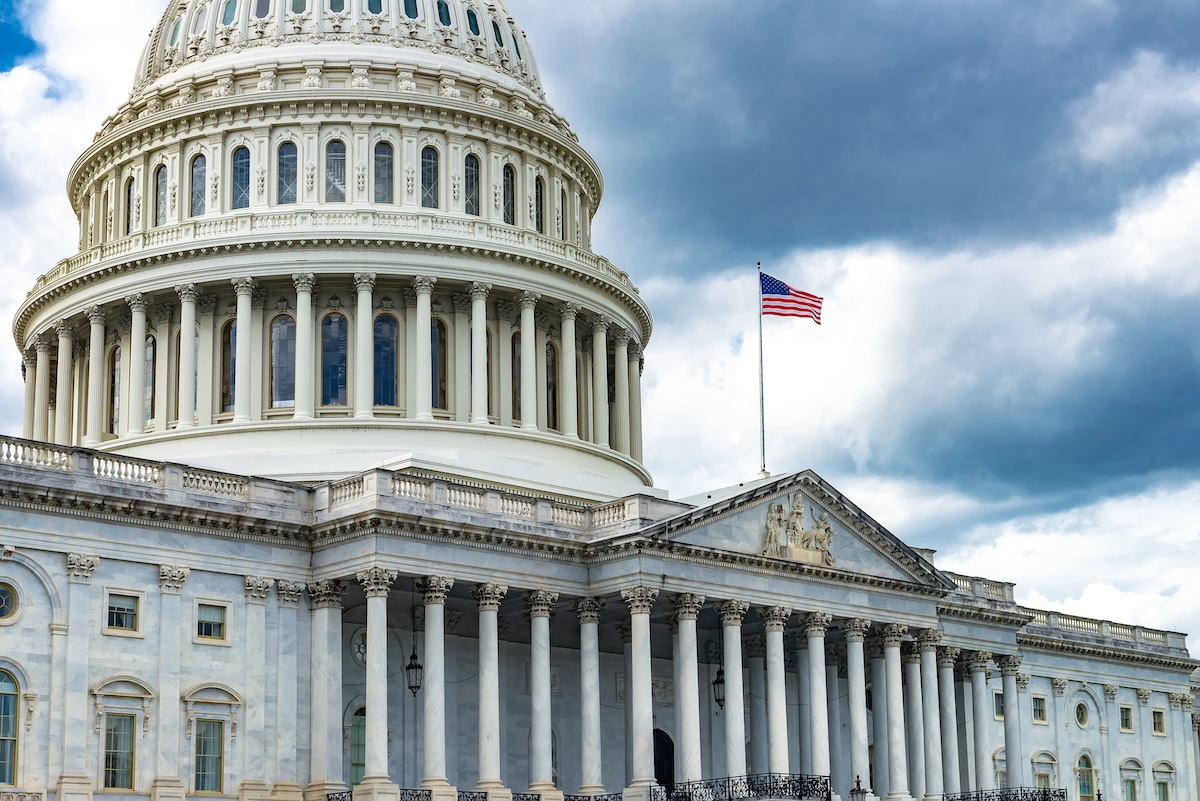

The House Appropriations Subcommittee on Labor, Health and Human Services, Education, and Related Agencies released its fiscal year 2027 spending bill (PDF File), and it pays for a Pell Grant increase by permanently ending subsidized federal student loans.
The bill cuts the U.S. Department of Education’s budget by 10%, or roughly $8 billion, with deep reductions to K-12 programs, Federal Work Study, and education research. It is the first step in a long appropriations process, but the headline tradeoff is clear: students gain a small Pell bump and lose one of the most affordable loans available to them.
Subsidized loans go to undergraduates with demonstrated financial need, and the government covers the interest while the student is in school. Under the bill, no new subsidized loans would be issued after July 1, 2027. There’s a grandfathering clause where students already borrowing would keep their eligibility through the end of their program.
In place of subsidized loans, undergraduates could borrow the same amount in unsubsidized loans — but interest would accrue from day one, adding thousands in cost over the life of the loan. The bill also cuts Federal Work-Study by 26% to $908 million and the Federal Supplemental Educational Opportunity Grant (FSEOG) by 40% to $546 million.
Michele Zampini, Associate Vice President for Federal Policy & Advocacy at TICAS, warned the math doesn’t favor low-income students: “Eliminating subsidized loans, which go to undergraduate students with high financial need, could increase overall college costs for these students by thousands of dollars.“
The proposal revives an idea from last year’s One Big Beautiful Bill debate that didn’t make the final law. But the broader trend is already locked in. The reconciliation bill enacted in 2025 cut more than $300 billion from federal student loans over a decade, and a wave of changes takes effect July 1, 2026: including a new $257,500 lifetime borrowing limit, annual and lifetime caps on Parent PLUS loans, loan proration for part-time students, and the end of Grad PLUS loans.
Eliminating subsidized loans on top of those changes would potentially push more students toward private student loans, where rates are higher and protections are weaker, or prevent them from borrowing for college at all. For families weighing how to pay for college, the affordability gap that subsidized loans were designed to fill is shrinking fast.
It’s important to remember that this is a subcommittee proposal, not law. It must clear the full Appropriations Committee, the House floor, the Senate, before anything reaches the president.
Expect the subsidized loan provision to be a flashpoint as negotiations continue.
Don’t Miss These Other Stories:
Texas public schools lost about 76,000 students in the 2025-26 school year, the first enrollment decline outside the Covid-19 pandemic...

If you’re considering a home equity loan and wondering whether you can deduct the interest on your taxes, the answer...

Articles Single-family rentals (SFR) now house 41% of the U.S. renter population, according to Rentometer Mid-Year...