How First Movers Identify the Right Problems to Solve
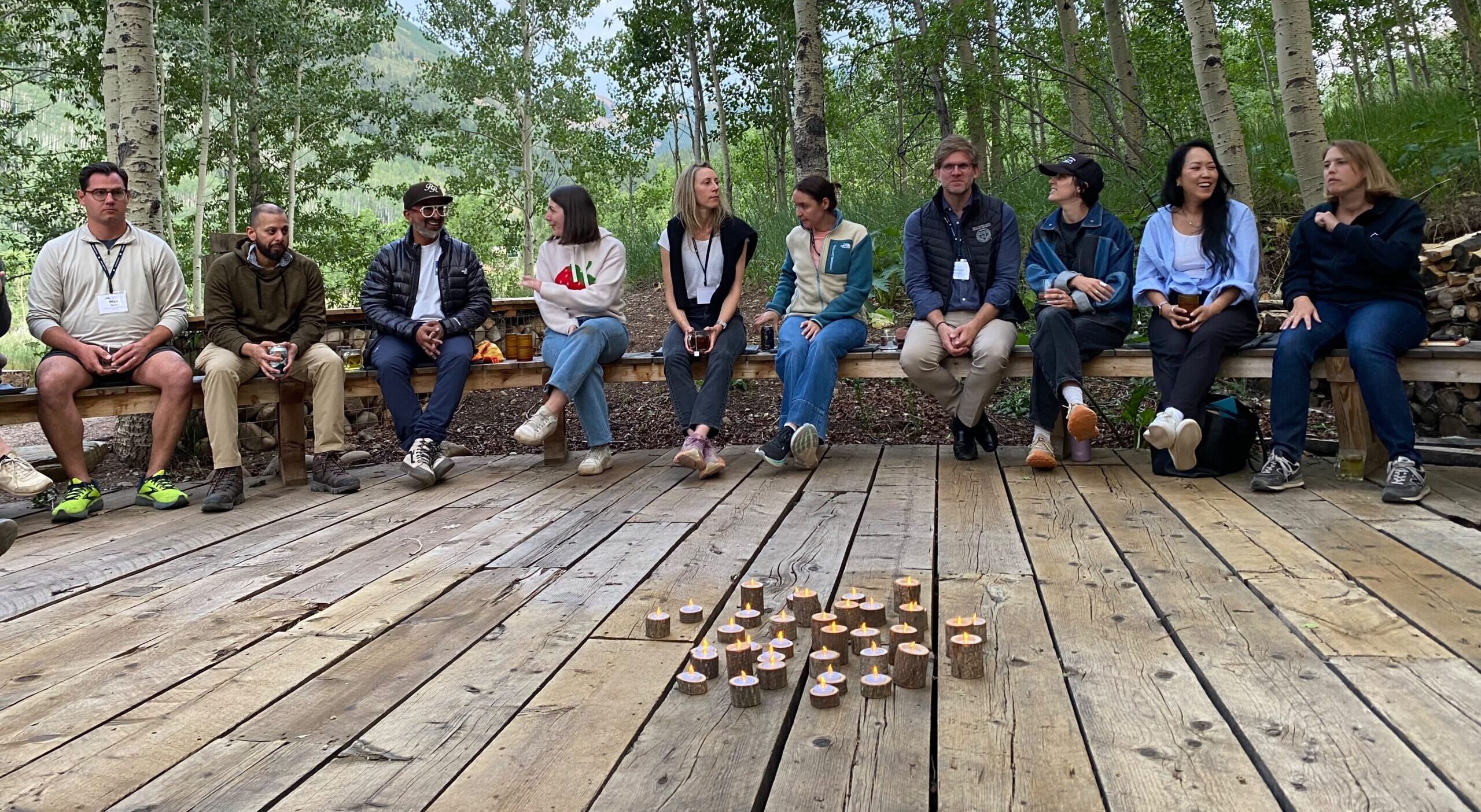

In Aspen this summer, the Business & Society Program hosted its annual Business & Society Summit, immediately followed by the first seminar for the 18th class of First Mover Fellows. At the Summit, an idea I heard clearly expressed was that corporate social intrapreneurship is more critical than ever. Companies must develop the capacity of employees to identify and solve problems from within the company, rather than by looking elsewhere for answers.
Throughout the Summit, I found myself listening to great stories of innovation—business leaders describing how they identify creative solutions to complex problems, bring others along in their work, and turn constraints into opportunity. What struck me most was how often, without realizing it, many of these leaders applied strategies we teach in the First Movers Fellowship. One of the most common? Problem reframing.
Reframing is a Key First Step Towards Actually Solving Problems
Problem reframing is an essential practice for corporate social intrapreneurs seeking to effectively address complex challenges, and a core learning module of the Fellowship since its inception 18 years ago. Too often, leaders focus their energy on solving problems before they have sufficiently interrogated their assumptions about the problem itself. When a person unconsciously adopts a particular perspective on how to solve a problem, they limit the options and possibilities for doing so. By focusing on a solution before fully understanding the problem, they risk investing energy in the wrong place entirely.
In practice, problem reframing means identifying a problem you want to solve, writing it down, and interrogating it using a set of strategies and questions. For example, you might seek to look wider than the original problem and step outside of your own vantage point by exploring other points of view. Ask yourself: how might a kindergartener understand this problem? How would a colleague 10 years ago have seen this problem? Maybe you need to look more closely and sharpen your problem by applying limits and constraints. In what ways might the problem you identified be a symptom of a deeper one? If you limited the timeframe for action, what might happen? Lastly, when reframing a problem, you might try to flip the frame and question the original premise of the problem. How could you describe the problem as an opportunity? What assumptions are you making about the perspectives of the people involved in the problem? Applying problem reframing strategies may take you in very different directions, but together they surface the full complexity of a problem so you can make a more informed decision about how best to solve it.
Problem Reframing In Practice
One past Fellow arrived at the seminar with the following problem: when asked by customers and stakeholders, their company didn’t have a clear story about the sustainability of their products. Using the reframing strategies, the group began questioning: Is it that the story doesn’t exist, or that it exists but isn’t being communicated well? Where is the company already telling effective product stories to customers, and what made those work? The ultimate goal of the exercise isn’t to solve the problem in the room. Fellows work in small groups, taking turns applying the reframing strategies to one another’s problems through structured peer coaching, leaving with a richer, more interrogated version of their individual problem statements.
Fellows often leave the first seminar feeling less clear on their project than when they arrived. That’s intentional. Problem reframing is designed to disrupt assumptions before giving Fellows the tools to rebuild. As they depart from Aspen, making their way back to the busyness of everyday work and life, they have clear next steps. By the time they return for the second seminar in October, they’ll have spent the months in between testing and exploring their challenge to better define their objective. At that point, they’re ready to learn the skills and strategies they need to enact to begin moving the work forward.
Over twenty past Fellows who attended the Business & Society Summit this year gathered one day for lunch to reflect on their Fellowship experience, and the tools, frameworks, and lessons they continue to use today as corporate social intrapreneurs. Sitting at my table was a Chief Sustainability Officer who participated in the 9th Fellowship class in 2017. When I asked what still sticks with him, his answer was immediate: Problem reframing.
Want more insights like these? Sign up to receive thought leadership and updates from the Business & Society Program each month!

Texas public schools lost about 76,000 students in the 2025-26 school year, the first enrollment decline outside the Covid-19 pandemic...

If you’re considering a home equity loan and wondering whether you can deduct the interest on your taxes, the answer...

Articles Single-family rentals (SFR) now house 41% of the U.S. renter population, according to Rentometer Mid-Year...