Common Debt Relief Options to Consider Before Filing for Bankruptcy
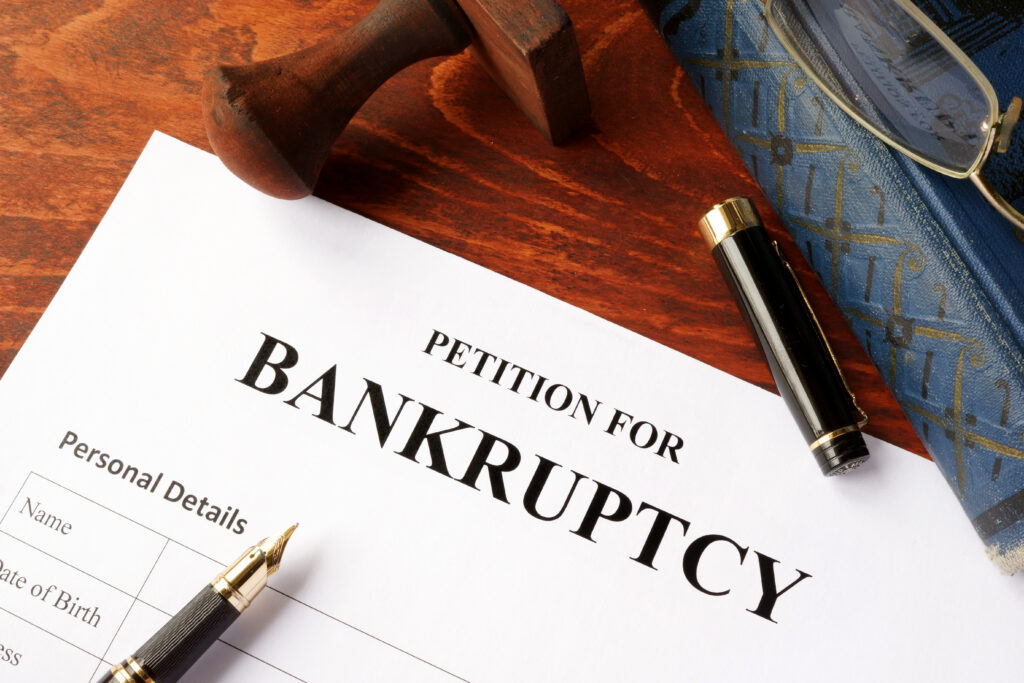

When debt becomes overwhelming and it feels like there’s no way out, filing for bankruptcy may seem like the only solution left. But before making such a big decision, many people ask what the alternatives to bankruptcy are and whether another option could fit their situation.
Money problems can happen to anyone, but that doesn’t mean bankruptcy is your only path forward. Bankruptcy can provide meaningful legal relief for people who cannot repay their debts, but it may not be the best or only option when other practical solutions could work. The U.S. Courts describes bankruptcy as a process that can help people who can no longer pay their debts either discharge certain debts or create a repayment plan.
Different debt relief methods work for different financial situations. The right option depends on what you owe, what you can realistically afford, how soon you need help, and whether creditors have already started collection efforts.
In this article, we’ll cover common alternatives to bankruptcy and how they compare. You’ll also learn what to consider before deciding on the next step in your financial journey.
Bankruptcy can provide a financial reset for some people, but it also has long-term financial and legal consequences. That’s why it makes sense to understand other debt relief options before deciding whether to file.
Here’s why many people consider other debt relief options when facing serious financial pressure:
Long-term credit impact: A bankruptcy can remain on a credit report for years. Chapter 7 bankruptcy can generally remain for 10 years, while Chapter 13 is generally reported for seven years.
Not all debts go away: A bankruptcy discharge can eliminate many debts, but some debts may remain. U.S. Courts lists common exceptions including certain tax debts, domestic support obligations such as alimony and child support, and most government-funded or guaranteed educational loans unless the applicable legal requirements for discharge are met. See the U.S. Courts guide to bankruptcy discharge.
Public record concerns: Bankruptcy is a federal court proceeding, so filing creates court records. For someone who is concerned about the visibility of a bankruptcy case, that may be another factor to consider.
Possible risk to assets: In Chapter 7, a trustee may sell nonexempt property and distribute the proceeds to creditors. What a person can keep depends heavily on applicable exemption laws, and many Chapter 7 cases involve little or no nonexempt property. See the U.S. Courts guide to the bankruptcy process.
Before you decide on anything, get a clear picture of where you stand. Asking yourself a few questions can help you compare options instead of choosing a solution out of stress.
Not every situation needs the same solution. Some people may compare several approaches before choosing one that fits their finances.
Each option has its own benefits, costs, and risks, so it’s important to understand what each one actually does.
Here is a brief overview of the main alternatives to bankruptcy, including how they work and when someone might consider them.
For many people, one starting point is talking to a nonprofit credit counseling organization. Credit counselors can help review income, spending, and debts, develop a budget, and explain possible repayment options.
Why it helps: It can give you a clearer picture of your finances and help you understand whether budgeting, creditor negotiations, or a more structured repayment plan may be appropriate.
May fit: People who feel overwhelmed and want help organizing their finances before making a larger debt decision.
If you can afford to repay your eligible debts but interest or multiple payments are making that difficult, a debt management plan may be worth considering.
With a DMP, you typically make one payment to a credit counseling organization, which distributes the money to participating creditors. Credit counselors usually do not try to reduce the principal you owe, but creditors may agree to lower interest rates, reduce certain fees, or adjust payments.
May fit: People with regular income who can afford structured repayment of eligible debts.
Keep in mind: Creditor participation and concessions can vary. You also need to make the required payments consistently for the plan to work as intended.
Debt consolidation generally means taking out one new loan—or, in some cases, using a balance transfer—to pay off several existing debts so you have fewer payments to manage.
Main risk: A lower monthly payment does not necessarily mean a lower total cost. The CFPB warns that consolidation can cost more overall if repayment is stretched over a longer period or if fees and higher future rates apply.
May fit: People who can qualify for a new credit product whose overall cost and repayment terms improve on the debts being consolidated.
The important comparison is the APR, fees, repayment term, monthly payment, and total amount repaid, not just whether the new payment is smaller.
Debt settlement may be worth considering if you’re struggling with unsecured debts, such as credit card balances, medical bills, or personal loans, and can’t realistically afford to repay everything you owe.
With debt settlement, you or a debt settlement company negotiate with creditors to accept less than the full balance owed. If a creditor agrees, you could resolve that debt for less than you originally owed.
Why it helps: Unlike options that focus primarily on lowering interest rates or reorganizing payments, debt settlement aims to reduce the actual amount of debt you owe. This can make it an appealing alternative to bankruptcy for people dealing with significant unsecured debt who have the ability to fund negotiated settlements.
May fit: People who are struggling to keep up with unsecured debt payments, can’t afford to repay their balances in full, and want to explore resolving their debts without filing for bankruptcy.
You don’t always need a third party to ask a creditor about help. Some lenders or creditors may offer hardship options when a borrower is struggling.
What to ask about: Depending on the creditor, possibilities may include a temporary payment arrangement, reduced interest, changed due dates, or another hardship option.
Limitation: These options are not guaranteed, and the terms depend on the creditor and the account.
If you receive an offer, understand whether it changes the balance, interest rate, payment schedule, credit reporting, or other terms before agreeing.
Sometimes creating more room in the monthly budget can help someone stay current or pay debt down faster.
Cutting nonessential expenses or adding income may free up money for debt payments. But budgeting alone may not be enough when the debt is already unaffordable, income has dropped substantially, or collection and legal action have begun.
For example, let’s say you spend $50 a week on takeout and unused subscriptions. Cutting some of those costs could free up money to put toward debt. Additional income may help too, if earning more is realistic for your circumstances.
The point is not that every debt problem can be fixed by spending less. It’s to determine whether there is actually enough room in your budget for repayment before committing to another debt program.
Knowing your options is a useful first step. The next step is figuring out which ones are realistic given your type of debt, income, and how far behind you are.
These debts are commonly unsecured, so they are not directly backed by property such as a home or car.
If you’re just starting to fall behind, contacting your creditors may help you find out whether hardship or payment arrangements are available.
If you’re already behind on several accounts, a debt management plan through a credit counseling organization may be one option to investigate. Debt settlement, direct negotiation, or bankruptcy may also be relevant depending on whether you can realistically repay the balances.
The better choice depends on what you can afford and what each creditor is willing to accept—not simply how many months you are behind.
Home and auto loans are different because they are secured by property. Continued nonpayment can eventually put the home or vehicle at risk, subject to the loan agreement and applicable foreclosure or repossession rules.
Ask about loss-mitigation or hardship options. Depending on the loan, a mortgage servicer or auto lender may offer options that change or temporarily adjust payments.
Consider refinancing carefully. Refinancing may change your rate or monthly payment if you qualify, but approval, closing costs, and the new loan terms all matter.
Don’t ignore urgent notices. If you’re facing foreclosure, a HUD-approved housing counselor may be able to help you understand available mortgage options. If a vehicle is at risk of repossession, review the lender’s notices and consider getting legal or financial guidance promptly.
If collectors have started contacting you or you’ve received court papers, take the situation seriously.
Don’t ignore a lawsuit. The CFPB warns that failing to respond to a debt collection lawsuit can result in a judgment. A judgment may give a collector access to stronger collection tools, such as wage or account garnishment where permitted. See the CFPB’s guidance on being sued by a debt collector or creditor.
Know your rights. Federal and state exemptions can protect certain wages, benefits, or funds from garnishment. Some federal benefits, including certain Social Security and VA benefits, receive protections, although the rules and exceptions can be complicated. The CFPB explains protections for Social Security and VA benefits.
If you have been sued or threatened with a lawsuit, a consumer law attorney or legal aid organization can help explain the federal and state rules that apply.
Closing a business or filing for business bankruptcy may not be the only possible path when a company is in financial trouble. Depending on the business, its debts, available cash flow, and creditor relationships, other options may be worth exploring before filing.
Before considering bankruptcy, a business owner may contact lenders, suppliers, landlords, or other creditors to ask whether modified payment terms are available.
A creditor may be willing to discuss additional time, a payment arrangement, or another modification, but there is no guarantee it will agree.
Getting turned down by one bank does not necessarily mean every financing source is unavailable.
Depending on the business and its qualifications, financing options may include other banks, community lenders, or Small Business Administration-backed lending programs. But taking on additional debt when a business is already struggling can increase risk, so the cost and repayment ability need careful review.
Some small business owners personally guarantee business debts. If you signed a valid personal guarantee, a lender may be able to pursue you personally if the business does not repay, subject to the agreement and applicable law.
That is why it can be important to look at both business and personal finances before deciding what to do next. Business structure, collateral, guarantees, and applicable exemption laws can all affect personal exposure.
If business and personal debts are intertwined, consider getting advice from an attorney or financial professional who can review the actual loan documents before assuming which personal assets are at risk.
Looking at other options can be useful, but it’s also important to recognize when those options may not be enough.
If your debts are far beyond what you can realistically repay, taking out additional loans or staying in repayment arrangements that you cannot afford may only prolong the problem.
Bankruptcy can discharge many debts or provide a court-supervised repayment structure, depending on the chapter and the person’s circumstances. It does not, however, automatically eliminate every debt. Certain taxes, domestic support obligations, and many student loan debts may be excepted from discharge.
If you are considering bankruptcy because you have significant unsecured debt and little realistic ability to repay it, a bankruptcy attorney can explain whether Chapter 7, Chapter 13, or another option may apply. Chapter 7 generally involves liquidation of nonexempt property, while Chapter 13 generally uses a repayment plan that lasts three to five years.
Before you move forward with any debt relief option, ask yourself these questions:
The right choice is not always obvious. Comparing the actual costs, risks, and requirements of each option can help you make a more informed decision.
So, what are the alternatives to bankruptcy? There are several, and the right one depends on the type of debt you have, your income, how urgent your situation is, and what you can realistically afford.
For some people, credit counseling may be enough to clarify the next steps. Others may consider a debt management plan, debt consolidation, debt settlement, or negotiating directly with creditors. Bankruptcy may also remain an appropriate option when repayment is not realistic.
The important thing is to understand what each approach actually does before committing to it. If the situation involves a lawsuit, foreclosure, repossession, significant tax questions, or possible bankruptcy, getting qualified legal or financial guidance can be especially important.
When debt becomes overwhelming and it feels like there’s no way out, filing for bankruptcy may seem like the only...
This publication examines how fragmented skills, credentialing, and workforce data systems limit the potential of skills-based hiring and advancement, and...

Small businesses power communities and job growth, but owners often put personal finances at risk. Explore Federal Reserve Small Business...