Subsidized vs. Unsubsidized Loans: Which Is Better?


Both subsidized and unsubsidized student loans are federal Direct Loans, carry the same interest rate for undergraduate borrowers, and come with the same repayment options and borrower protections. The single biggest difference is what happens to interest while you’re still enrolled.
With a Direct Subsidized Loan, the U.S. Department of Education pays the interest on your behalf while you’re in school at least half-time, during your six-month grace period after leaving school, and during any approved deferment period. That government-paid interest is the defining feature that makes subsidized loans the better deal.
With a Direct Unsubsidized Loan, interest starts accruing from the moment the loan is disbursed, including all four or more years you’re in school. You can choose not to make payments during that time, but the interest that builds up will capitalize (get added to your principal balance) once repayment begins, meaning you’ll be paying interest on interest going forward.
Both loan types carry a fixed interest rate. Subsidized loans are not available at the graduate level.
To understand which loan is better, it helps to see how interest accumulates differently over a four-year degree.
Say you borrow $3,500 as a first-year dependent undergraduate (the maximum for year one subsidized loans) at the undergraduate rate of 6.39%:
That’s on just $3,500. Most students borrow significantly more across multiple years. According to Bankrate, the lifetime subsidized loan cap for undergraduate borrowers is $23,000. If you borrowed the maximum in subsidized loans alone, the unsubsidized equivalent would add thousands of dollars in capitalized interest before you made a single payment.
This is where the choice gets narrowed for many borrowers. To qualify for Direct Subsidized Loans, you must be an undergraduate student who demonstrates financial need as determined by the FAFSA. Graduate students are not eligible.
Unsubsidized loans have no financial need requirement and are available to undergraduate, graduate, and professional students. That broader availability is why many students end up with a mix of both.
There’s also a cap on how much you can borrow in subsidized loans over your lifetime. The total subsidized loan limit for dependent undergraduates is $23,000, while the overall federal loan limit (subsidized and unsubsidized combined) is $31,000 for dependent undergraduates and $57,500 for independent undergraduates. Most students who borrow up to their limit will end up with both loan types in their financial aid package.
For graduate students, the question of whether a loan is subsidized or unsubsidized doesn’t apply because subsidized loans aren’t available at the graduate level. Graduate and professional students can only receive Direct Unsubsidized Loans (up to $20,500 per year) or Grad PLUS Loans, which carry a higher rate of 8.94% for 2025-2026.
If you’re in graduate school, the focus shifts to borrowing only what you need and making interest payments during school when possible to prevent your balance from growing before repayment begins.
Even though subsidized loans are the better deal when available, unsubsidized loans aren’t a bad option. They’re still federal loans, which means they come with income-driven repayment plans, deferment and forbearance options, and access to forgiveness programs like Public Service Loan Forgiveness (PSLF). They require no credit check and no cosigner.
Unsubsidized loans make the most sense when:
The key is borrowing only what you genuinely need. Every dollar you borrow in unsubsidized loans will cost more than what’s printed on the offer letter by the time repayment begins.
If you’re trying to figure out how to fund your education and which loans make sense for your situation, work through these questions in order:
When it comes to subsidized vs. unsubsidized loans and which is better, subsidized loans win on cost whenever you’re eligible for them. The government-paid interest is a genuine financial benefit that adds up across your years in school. But unsubsidized loans, while more expensive over time, are still solid federal products with important borrower protections that private loans don’t offer.
If you’re staring at a financial aid letter and trying to figure out how to start paying student loans down one day with as little debt as possible, the strategy is straightforward: take subsidized first, borrow only what you need, and consider making interest payments on unsubsidized loans while you’re still enrolled if your budget allows.
The content provided is intended for informational purposes only. Estimates or statements contained within may be based on prior results or from third parties. The views expressed in these materials are those of the author and may not reflect the view of National Debt Relief. We make no guarantees that the information contained on this site will be accurate or applicable and results may vary depending on individual situations. Contact a financial and/or tax professional regarding your specific financial and tax situation. Please visit our terms of service for full terms governing the use this site.
Both subsidized and unsubsidized student loans are federal Direct Loans, carry the same interest rate for undergraduate borrowers, and come...
Each year, the Federal Reserve Banks conduct the Small Business Credit Survey to learn about small business’ financial conditions, their...
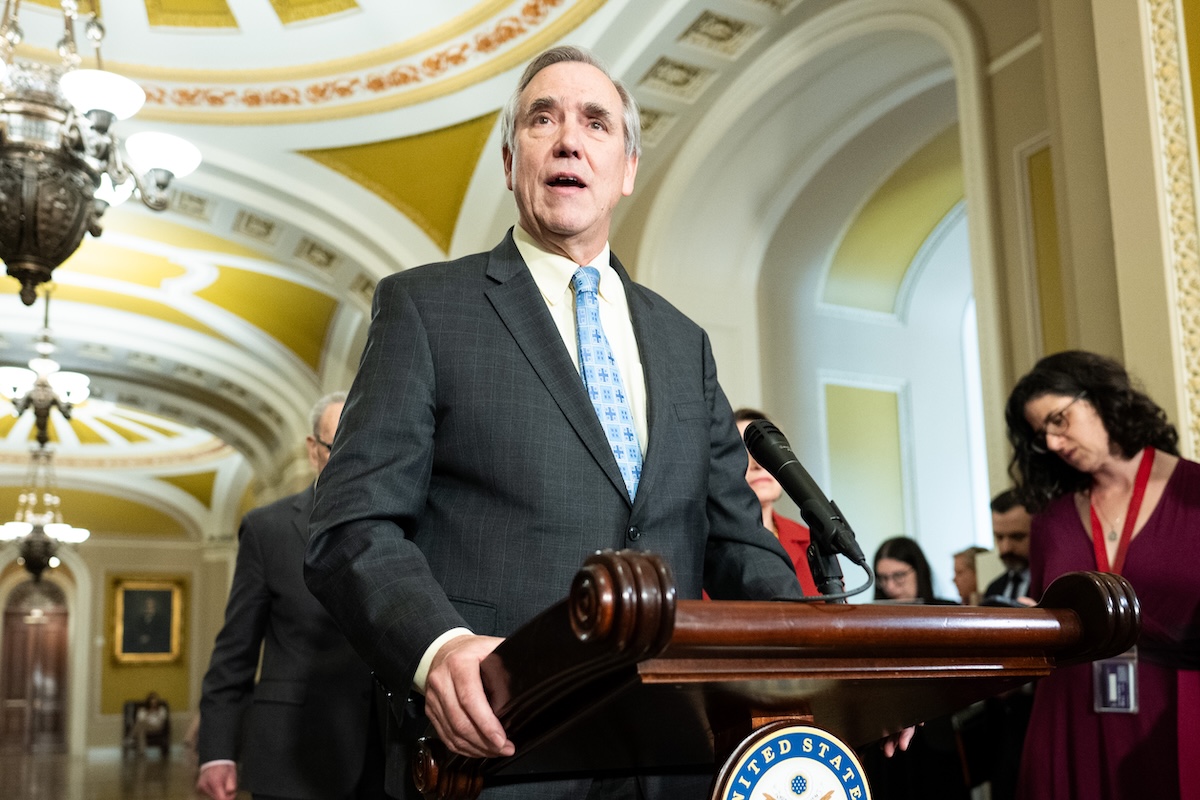
Sen. Jeff Merkley (D-OR) and Rep. Raja Krishnamoorthi (D-IL) introduced companion bills on last month that would block federal student...