New Bills Would Cut Federal Aid To College Programs That Fail Licensing And Earnings Tests
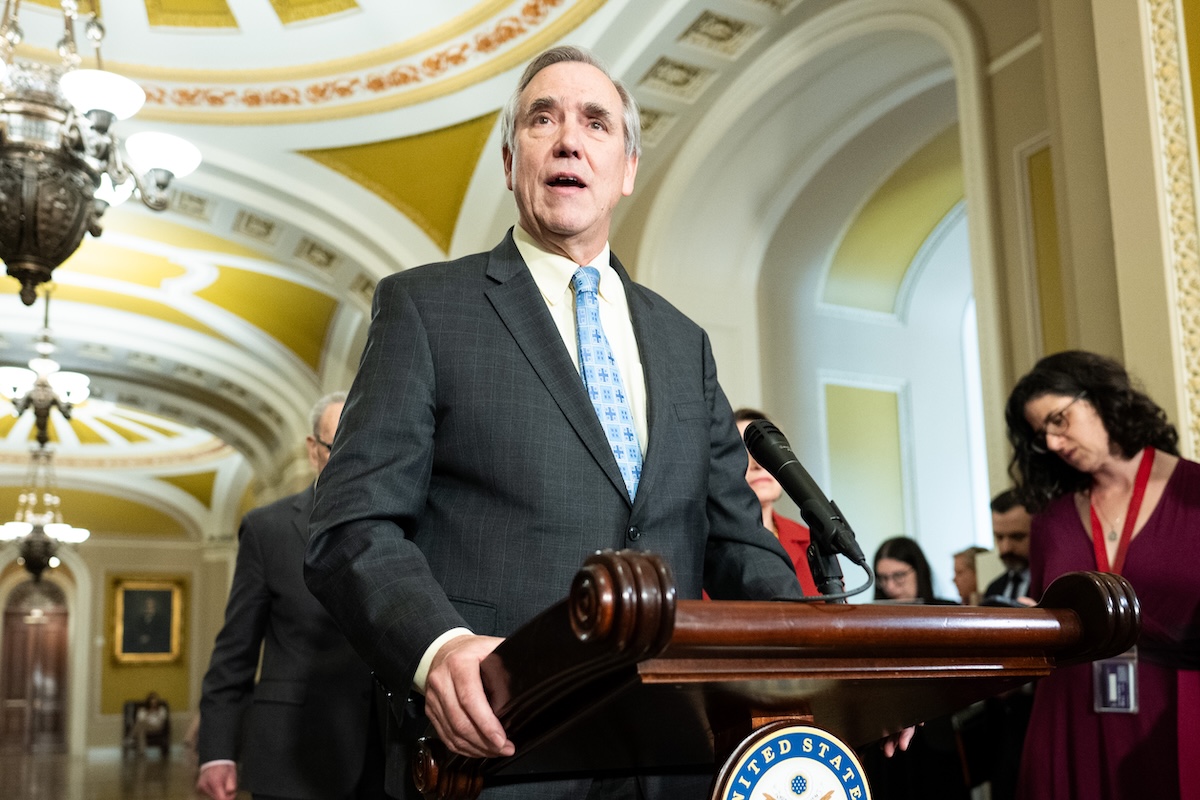

Sen. Jeff Merkley (D-OR) and Rep. Raja Krishnamoorthi (D-IL) introduced companion bills on last month that would block federal student aid from programs whose graduates cannot qualify for the jobs those programs advertise. S. 5021 went to the Senate HELP Committee with Sens. Dick Durbin (D-IL) and Richard Blumenthal (D-CT) cosponsoring, and H.R. 9748 went to House Education and Workforce with Rep. Danny Davis (D-IL) signed on. Both texts are identical, and both are titled the Protecting Students from Worthless Degrees Act.
This bill seeks to solve the same problem that federal borrower defense to repayment loan forgiveness tries to fix after the damage is done.
The bill makes federal aid conditional on two things a school now only has to promise. A program preparing students for a licensed occupation would have to qualify its graduates for licensure in the state where they live, and the school itself would have to arrange the clinical placement or apprenticeship that license requires.
Krishnamoorthi said in the announcement that students “should never spend years earning a degree, take on tens of thousands of dollars in debt, and then discover they were never actually qualified for the career they were promised.” That failure shows up most in health care and counseling, where which health science master’s degrees pay off turns on whether the credential clears a state licensing board. TICAS, Third Way, New America, EdTrust, AFT, and The Century Foundation all endorsed the bill.
Accountability rules for financial and and career programs have changed with every administration because they live in regulation, not statute. The goal with these bill is to codify the requirements into law, to make them less likely to change from administration to administration.
The licensure requirement is the piece that students should care about the most. A school that enrolls nursing or counseling students without securing their clinical placements would lose access to federal student aid programs like student loans. This would make false promises a financial problem for the college. Nothing in the current financial aid overhaul goes that far.
Changes of this scale would have a massive ripple effect through certain career programs, and the data is still thin. And while this bill is forward looking, it doesn’t help those students who already enrolled or recently graduated and may be struggling.
The department reported this year that nearly 1,800 colleges had not submitted required earnings data — the data every debt-to-earnings calculation depends on. Add the graduate school loan limits already capping what students can borrow for these credentials, and the practical move for a family is unchanged: run a college ROI calculation before signing anything.
Both bills sit in committee under Republican majorities that have shown no appetite to make more changes. What is worth watching is the Education Department’s first earnings calculation in early 2027, which produces the program-level failure list under the existing rules. That list will show how much of this bill’s work the broader financial aid overhaul already does, and where the licensure gap Merkley and Krishnamoorthi are focused on needs more attention.
Texas public schools lost about 76,000 students in the 2025-26 school year, the first enrollment decline outside the Covid-19 pandemic...

If you’re considering a home equity loan and wondering whether you can deduct the interest on your taxes, the answer...

Articles Single-family rentals (SFR) now house 41% of the U.S. renter population, according to Rentometer Mid-Year...