Department of Education Bumps Autopay Interest Discount to 1% — Here’s Who Wins
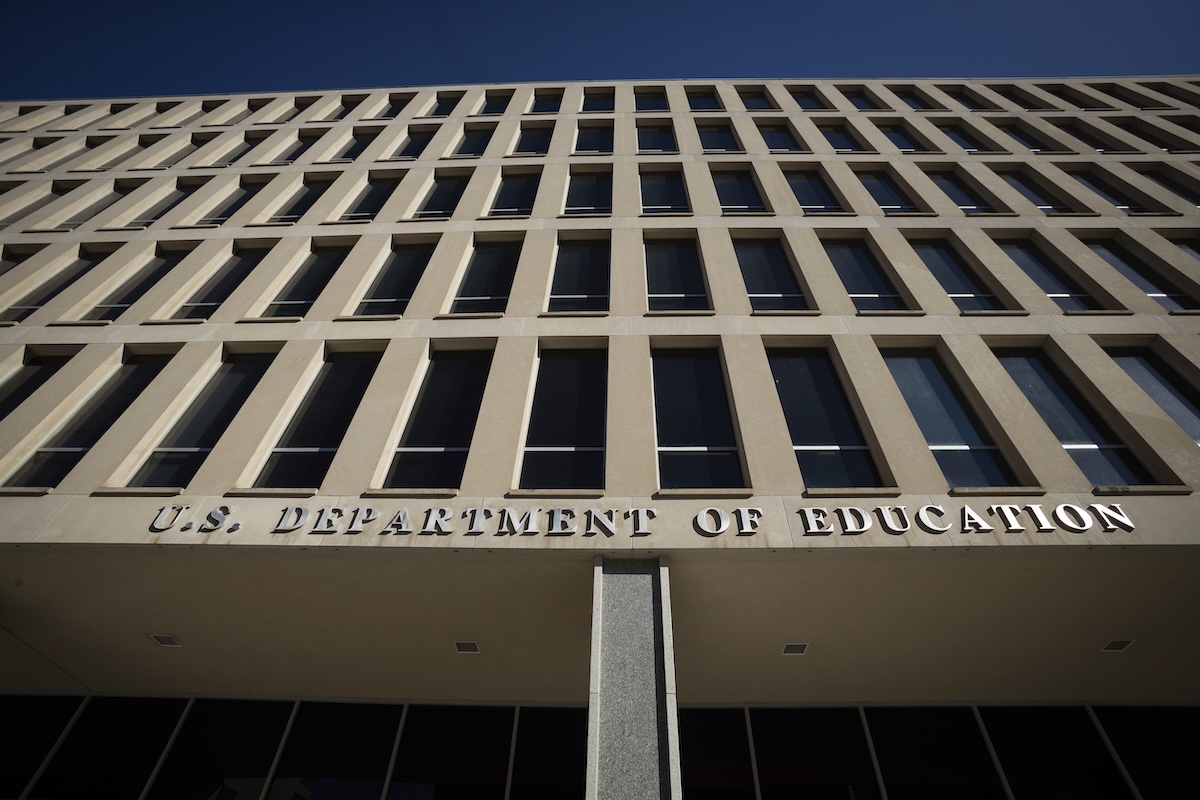

The U.S. Department of Education announced that its quadrupling the interest rate discount for federal student loan borrowers who enroll in autopay, raising it from 0.25% to a full 1 percentage point starting July 1, 2026.
Borrowers who sign up for automatic payments (or who are already enrolled) will get a 1% reduction on their federal student loan interest rate. The discount is temporary: borrowers who enroll by September 30, 2026 (or are already enrolled) keep the benefit through June 30, 2028.
Already on autopay? You don’t need to do anything. Loan servicers will automatically apply the extra 0.75% on top of the existing 0.25% discount.
This is a nice change for borrowers on standard repayment plans (Standard, Extended, Graduated), where monthly payments are tied to the loan balance plus interest. A lower rate means more of each payment goes to principal, less goes to interest, and the loan gets paid off faster.
The impact is smaller for the roughly half of borrowers in income-driven repayment (IDR) plans. Their monthly payments are based on income, not the balance, so a rate cut doesn’t lower what they pay each month. It can still help shrink the eventual “tax bomb” (the potential tax liability on a forgiven balance) by slowing how much interest piles up over the years. But given this discount is only temporary, the savings is minimal.
The new Repayment Assistance Plan (RAP), launching the same day, already tackles runaway interest a different way. RAP waives unpaid monthly interest when borrowers make on-time payments and adds a matching principal payment of up to $50 a month, so balances decline rather than grow. For borrowers headed into RAP, the autopay rate cut and the plan’s interest subsidy do much of the same work.
Borrowers also have to stay enrolled in autopay to keep the discount, and it only applies to Direct Loans originated after July 1, 2012.
Before the pandemic, more than 80% of borrowers in active repayment used autopay. Today, only 40% do. The Department says it expects the larger discount to push enrollment back up and improve repayment rates across the federal loan portfolio.
Under Secretary of Education Nicholas Kent called it a “temporary interest rate reduction” that should help borrowers “stay on track for key student loan benefits,” including Public Service Loan Forgiveness, which requires 120 on-time payments.
Borrowers should realize the total value of this benefit is just a few hundred dollars. On a $40,000 student loan balance, the extra 0.75% is worth roughly $600 in saved interest over the two-year window (July 1, 2026 – June 30, 2028).
The change lands as millions of borrowers face a forced choice. With the SAVE plan gone, borrowers must pick a new plan, and starting July 1, the main options are RAP and the new Tiered Standard plan, which sets fixed terms of 10, 15, 20, or 25 years based on balance.
The College Investor’s breakdown of RAP notes that RAP’s biggest edge is its interest subsidy: unlike IBR, your balance won’t grow even if your payment doesn’t cover the interest. For borrowers weighing those plans, see how the Repayment Assistance Plan works and these two remaining repayment options now that SAVE is gone.
If you’re on a standard plan and not yet on autopay, enrolling before September 30 is close to free money. If you’re in IDR or moving to RAP, the rate cut helps at the margins but the plan you choose matters far more than the discount.
Don’t Miss These Other Stories:
Texas public schools lost about 76,000 students in the 2025-26 school year, the first enrollment decline outside the Covid-19 pandemic...

If you’re considering a home equity loan and wondering whether you can deduct the interest on your taxes, the answer...
Articles Single-family rentals (SFR) now house 41% of the U.S. renter population, according to Rentometer Mid-Year...