94% Of College Sports Programs Lose Money — And Students Help Cover The Gap
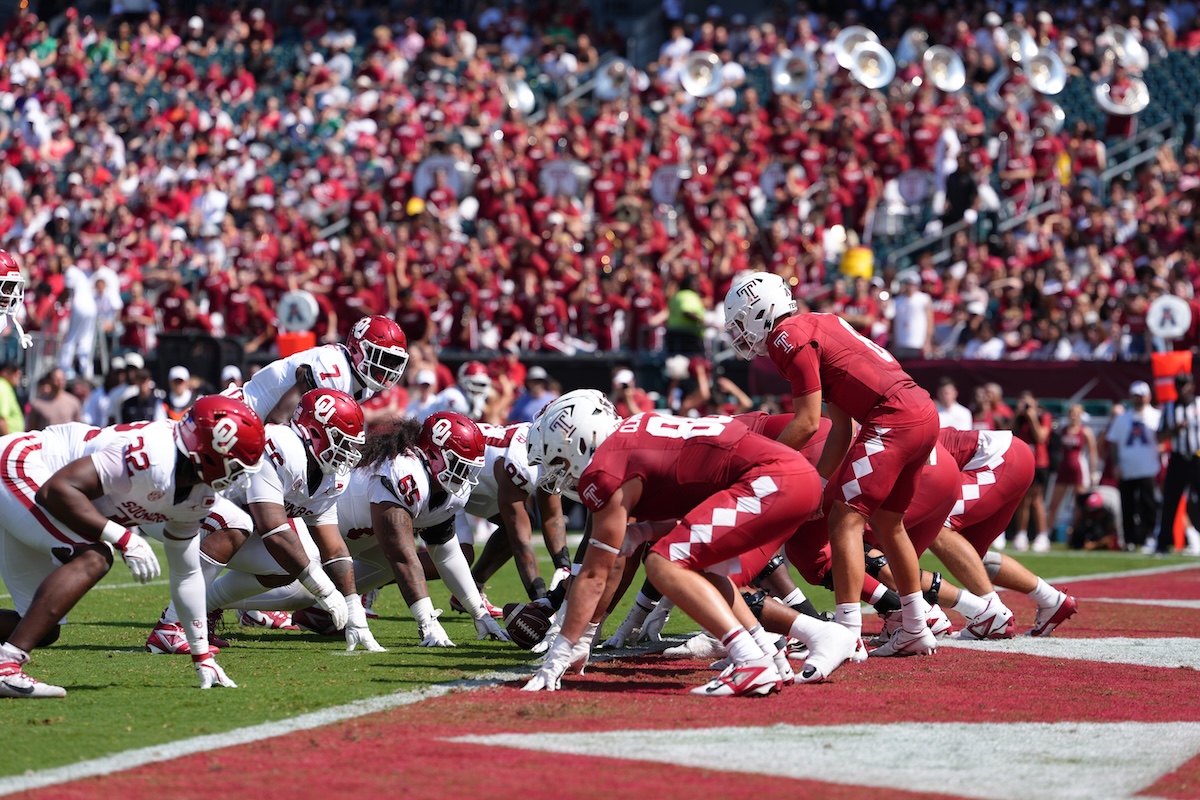

A new Government Accountability Office report found that 94% of Division I athletics programs (330 of 352 colleges) spent more than they generated in revenue in the 2023–24 academic year. Or, to flip that around, only 22 college DI sports programs made enough money to cover their costs.
DI colleges spent $20.8 billion on sports while generating $13.1 billion, and the median school’s gap was $20.6 million — one more force behind why college costs keep rising faster than inflation.
To close those gaps, colleges had to contribute $7.2 billion of their own money to athletics from tuition, student fees, and other unrestricted sources, which can indirectly include federal student aid. That’s on top of the mandatory fees that already catch families off guard on many tuition bills.
GAO estimates the median DI college contribution works out to about $8,500 per undergraduate over a four-year degree, ranging from $3,200 at Power conference schools to $10,800 at Football Championship Subdivision schools. Every student pays, not just athletes, and families don’t really see it broken out when they calculate the real cost of college.
Athletics deficits also feed the opacity problem in college pricing. Schools rarely disclose how much general tuition revenue props up sports, part of the broader black box of how colleges set prices.
These subsidies land on students at a time when tuition has risen 914% since 1983 and financial strain is already closing colleges outright. Athletics deficits compete directly with academics, financial aid, and instruction for the same institutional dollars, which affects what families really pay out of pocket.
The report covers finances before the House settlement around NIL dollars took effect. Starting in 2025–26, DI schools can share up to $20.5 million per year with athletes and 310 of 361 DI colleges opted in. That cap rises annually, and GAO notes stakeholders expect the spending gap to keep growing.
But as long as deficits continue, watch for colleges to respond with new student fees, tuition increases, or cuts to non-revenue generating sports.
Don’t Miss These Other Stories:
Texas public schools lost about 76,000 students in the 2025-26 school year, the first enrollment decline outside the Covid-19 pandemic...

If you’re considering a home equity loan and wondering whether you can deduct the interest on your taxes, the answer...

Articles Single-family rentals (SFR) now house 41% of the U.S. renter population, according to Rentometer Mid-Year...