The Data Center Debate Obscures Bigger Questions About AI and America’s Future
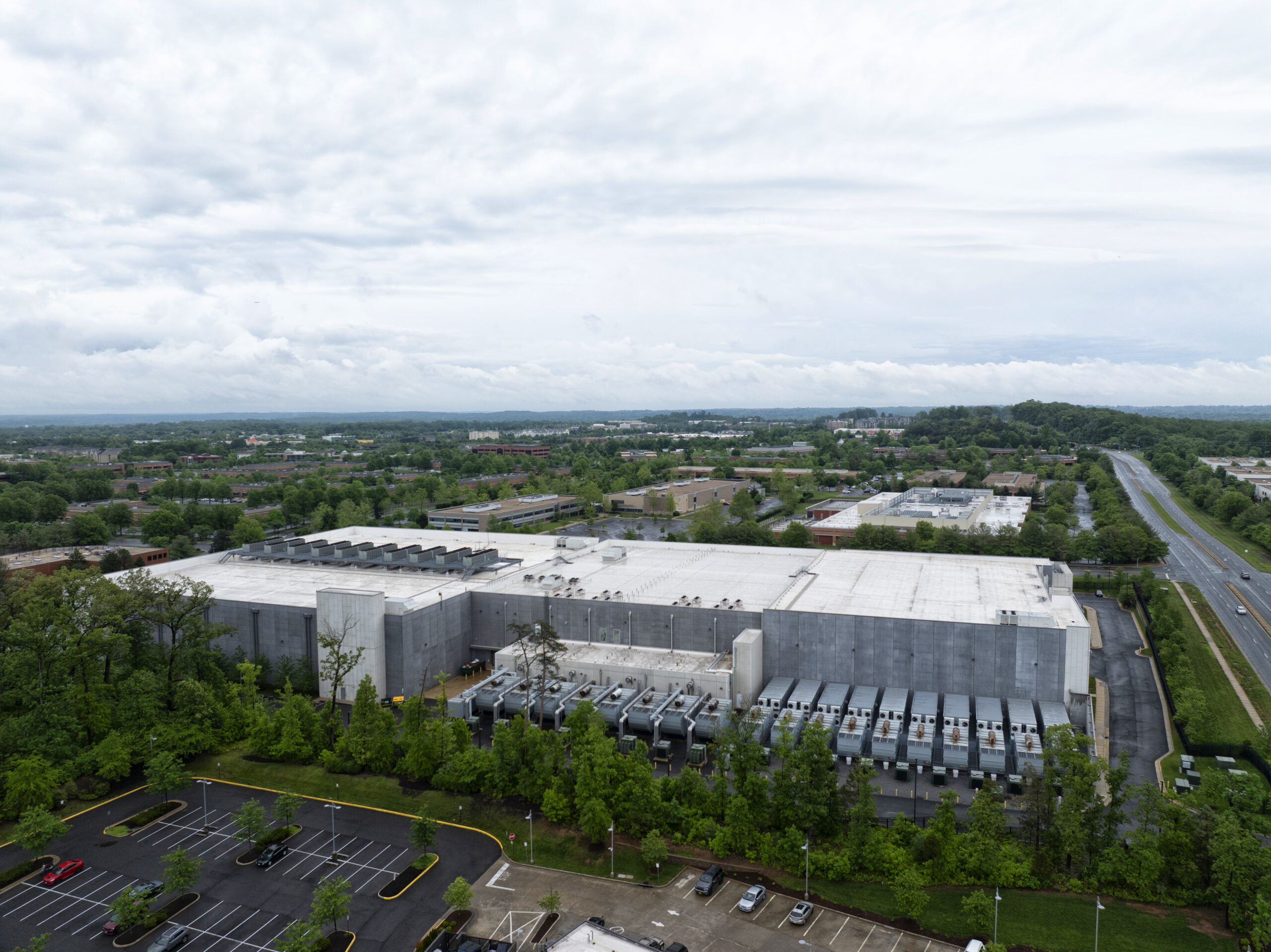

The fight over data centers is really a fight over AI’s effects on America’s future. To move forward, companies should consider how they can create space for deeper listening and authentic community engagement that will ultimately serve both business and society.
The chorus of public opposition to data centers grows louder every day. This outcry is multifaceted, covering deeply held concerns about resource depletion, a lack of community consideration and benefit, and broad concern around corporate overreach. More generally, this backlash reflects unaddressed public anxiety about AI’s negative impacts on both local communities and society as a whole. Server farms have become the most physical, visible symbol of the AI value chain, which has made them an easy target for public opposition.
Last week, the Aspen Business & Society Program convened a group of hyperscalers, utilities, data center operators, and developers to discuss whether rapid data center expansion can simultaneously serve business and community interests. Many of them acknowledge that the current playbook isn’t working. The old formula of tax incentives, job projections, and closed-door site selection is producing exactly the opposition it was designed to avoid.
These leaders face a stark reality. Recent polls suggest that Americans are the most pessimistic about AI compared to citizens of other nations. And whether it is America’s failing social safety net, its fragile grid, or its rampant, unfettered economic inequality, those who have the most to lose or gain from AI are often both socioeconomically and generationally divided. Which is to say nothing of the longstanding resentment many communities hold for the unkept promises of previous waves of industrial development.
Many of these concerns are grounded in a profound lack of trust. The urgency with which developers are bringing data centers online may not allow for the time communities need to raise and address their concerns. And the absence of a thoughtful, coordinated, and effective community engagement strategy makes it easy for misinformation on energy costs, water usage, and the future economic impact of AI to gain ground. The good intentions of thousands of utilities trying to preserve the rates of their residential customers can easily be overshadowed by a few notorious examples. “We’re only as good as our worst actors,” one dialogue participant admitted. As a result, a coordinated effort of more than 230 organizations has successfully stalled data center development in dozens of municipalities across the country.
While many participants in our convening advocated for more effective messaging, it’s clear that better messaging is insufficient to address the underlying problem.
What’s needed is something more: earlier and more authentic community engagement, transparency about impacts and tradeoffs, and practices designed to leave communities genuinely better off, not just to minimize opposition.
The companies responsible for this growing data demand can treat community opposition as a communications problem to manage, or as a signal of valid concerns worth taking seriously. A new playbook will likely require companies to work together in ways that go beyond what any one of them can do alone, and the leaders we’ve been in conversation with are the right people to lead that effort. We hope that together, we can advance a shared understanding of how to improve America’s antiquated infrastructure and forge a path for future economic growth from which all of society will benefit.
Want more insights like these? Sign up to receive thought leadership and updates from the Business & Society Program each month!

About three out of every four Americans have rewards credit cards. They like the perks that come with these cards,...

Author Rod Khleif: Top Multifamily Real Estate Mentor, Best Selling Author & Host of Top Real Estate Investing Podcast I...

Blog Posts Archives UnfavoriteFavorite August 28, 2026 Weave: The Social Fabric Project Subscribe to Weave’s Newsletter This story was originally...