From Silos to Systems: Building the Skills Ecosystem America Needs
By UpSkill America and Alvarez & Marsal
Over the last two decades, a wave of investment from philanthropy, government, and the private sector has produced a growing set of tools intended to help people demonstrate what they know, employers understand who they’re hiring, and educators understand whether their programs are preparing people for real opportunities. Digital credentials, learning records, competency frameworks, talent marketplaces: the tools exist, and in isolated pockets, they work.
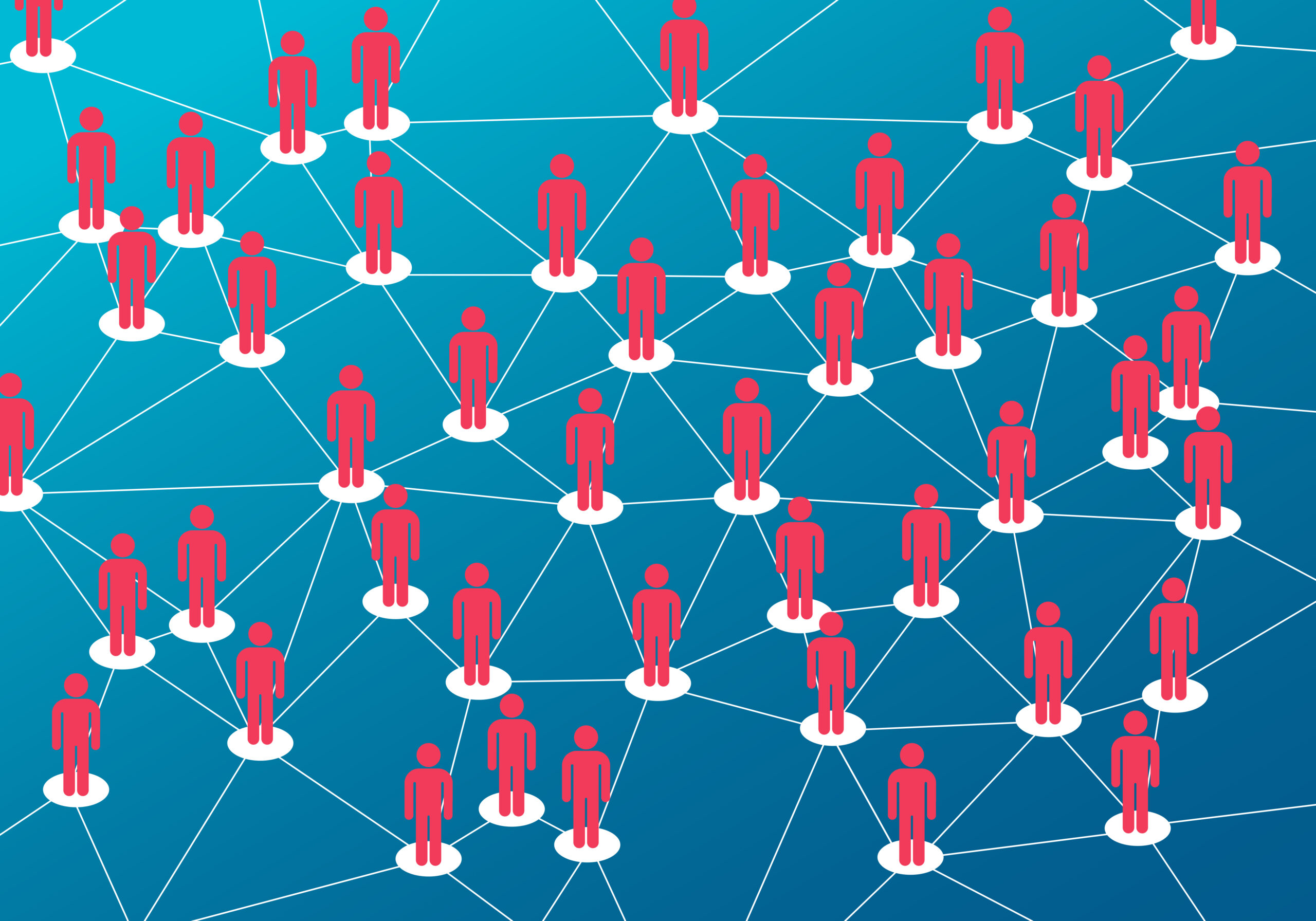
The problem is that these tools don’t work together. Skills data created in one system can’t be read by another. Credentials issued by one institution aren’t recognized by the next. Employers who want to hire based on skills don’t have the infrastructure to do it consistently. Workers and learners who move between jobs, programs, or states find that their records don’t follow them, leaving them to start over repeatedly, regardless of the skills they’ve already demonstrated. As an example, up until very recently, medical records couldn’t follow patients between health care providers. The information and data exist, but systems weren’t built to talk to each other, creating real problems when that data needed to be used.
This fragmentation isn’t an accident. It’s the predictable result of building tools without shared infrastructure, including the common data standards, shared rules, and coordination mechanisms that would allow the pieces to function as a system. Individual tools can help individual people in specific circumstances, but unlocking the full potential of skills-based hiring, credentialing, and talent development requires something the field has not yet built: an ecosystem where data flows as freely as people do, and where every actor, including workers, employers, educators, and governments, can both contribute to and benefit from what the system produces.
Over the last six months, UpSkill America, in partnership with Alvarez & Marsal, conducted interviews with more than 40 stakeholders across the ecosystem, representing employers, technology, higher education, and the public sector, to understand where the infrastructure to make these tools work together exists and where it doesn’t, and to identify opportunities to move the field forward through collaboration. This piece describes what we learned and offers a shared vision for moving forward collectively, eliminating silos and advancing a skills ecosystem where everyone benefits.

The National Student Clearinghouse Research Center released its 14th annual High School Benchmarks report on September 17, 2026, tracking where...

If you’re overwhelmed by education debt, you may be asking, “Can I file bankruptcy on student loans?” The answer is...
A dividend is a cash payment a company sends to shareholders, quarterly for most U.S. stocks. Reinvested dividends account for...