Graduate PLUS Loans Confirmed Included In Federal Borrowing Cap Starting July 2026
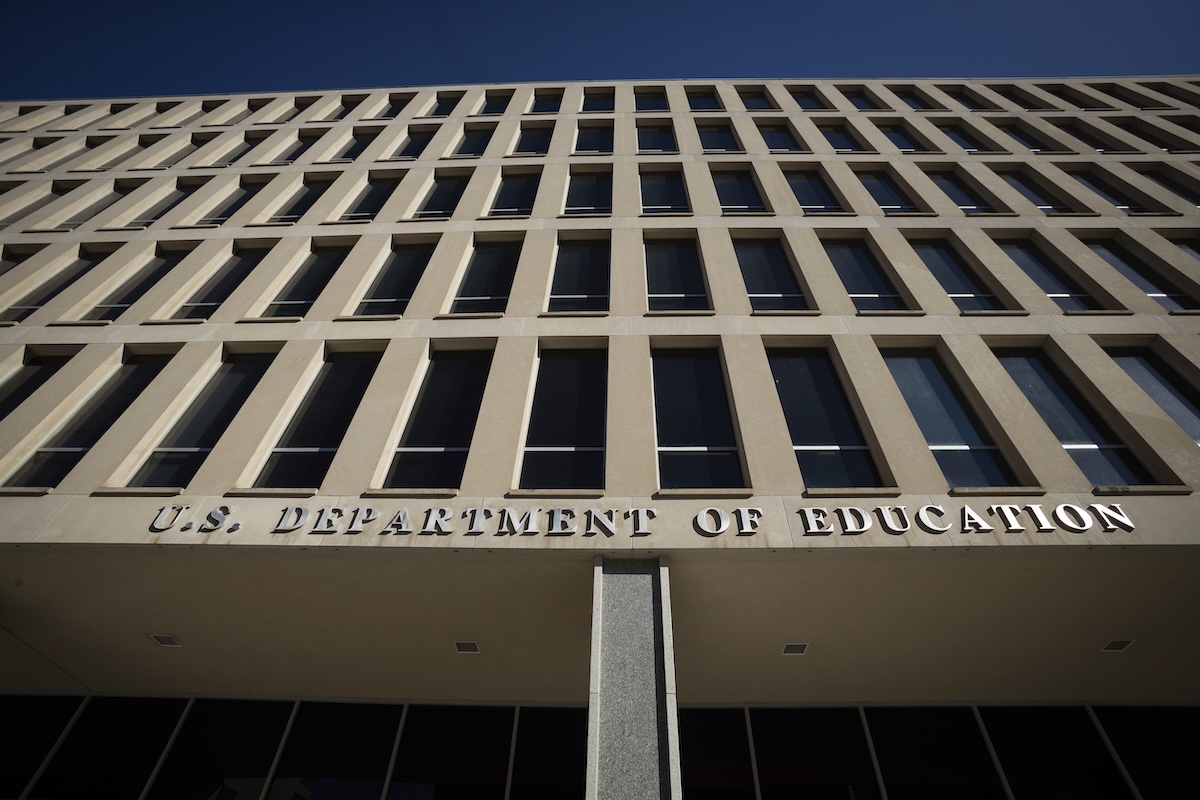

The Department of Education confirmed Monday that Graduate PLUS loans will count toward the new $257,500 student loan lifetime borrowing limit established under the One Big Beautiful Bill Act (OBBBA), according to NASFAA.
The cap takes effect July 1, 2026, and applies to all borrowers except those who qualify for a limited exception to the new loan limits (the up-to-three year grandfather clause for existing Grad PLUS borrowers). Once that exception window closes, the new $257,500 limit takes precedence.
Why This Matters: Graduate and professional students have relied on Grad PLUS loans to cover costs beyond the Graduate Direct Unsubsidized loan caps. Since Grad PLUS loans are being eliminated and replaced with new graduate borrowing caps, there was confusion on how the old borrowing might apply for students who are going back to school. The clarification of the lifetime limits shrinks federal borrowing capacity for graduate-level borrowers, particularly in high-cost fields like medicine, law, dentistry, and veterinary medicine.
Parent PLUS loans remain exempt from the lifetime limit.
What Changed: The Department of Education’s proposed Reimagining and Improving Student Education (RISE) regulations originally stated that Grad PLUS loans would NOT be included in the $257,500 lifetime limit. The agency now says, based on a new reading of the OBBBA statute, that they will.
The reversal follows an April 17 webinar on legacy loan limits where the agency gave conflicting answers on whether Grad PLUS loans would count.
The department also corrected earlier guidance about older loans. Loans borrowed before July 1, 2026, will be counted against the new aggregate and lifetime limits once a student becomes subject to the new rules.
How This Connects: Grad PLUS has long served as the main loan of last resort for graduate programs that exceed the Direct Unsubsidized cap (currently $20,500 per year).
With Grad PLUS now counted inside the new $257,500 lifetime cap, students in longer or higher-cost programs will hit federal borrowing ceilings earlier and likely need to turn to private student loans, institutional aid, or employer tuition programs to close the gap.
This could also impact students who may be going back to graduate school.
What’s Next: The Department of Education has not stated when it will update its own materials, though the change is expected to appear in the final RISE regulations, which the agency has targeted for release around May 1, 2026.
Borrowers currently in graduate programs (or planning to start in the 2026–2027 academic year) should recheck how much Grad PLUS they have already borrowed and see how it counts against the $257,500 ceiling before the cap takes effect. For most borrowers this will be a non-issue, but it could impact some who are taking out loans for multiple programs over multiple periods of time.
Don’t Miss These Other Stories:

About three out of every four Americans have rewards credit cards. They like the perks that come with these cards,...

Author Rod Khleif: Top Multifamily Real Estate Mentor, Best Selling Author & Host of Top Real Estate Investing Podcast I...

Blog Posts Archives UnfavoriteFavorite August 28, 2026 Weave: The Social Fabric Project Subscribe to Weave’s Newsletter This story was originally...