Why Private Lenders May Not Replace Grad PLUS


Starting in 2026, Grad PLUS loans are ending, and there will be new borrowing options for graduate and professional education. The new borrowing limits ($20,500 annually for graduate students and $50,000 for students in designated professional programs) represent a sharp break from the prior model that allowed borrowing up to the full cost of attendance.
The line between “graduate” and “professional” is now tied to detailed federal definitions and CIP codes, placing programs like physical therapy, occupational therapy, physician assistant studies, speech-language pathology, and social work under the lower graduate limit despite tuition that often exceeds $40,000 a year.
As these changes take effect, a second shift is underway: private lenders are not ready to replace what Grad PLUS once provided. The hesitation is rooted in uncertainty about risk, credit, and the behavioral response of students and institutions.
We spoke with several private lenders about the changes coming in 2026. The most consistent message from lenders weighing new graduate loan products is simple: they do not have data.
Under the current system, schools can see how much their students borrow but have no visibility into their credit scores, income, or other indicators of financial health. Lenders, in turn, receive no track record of how students from particular programs historically perform because the federal government shouldered nearly all risk for graduate borrowers.
While there is some data, it’s hard to build it into a model for every program.
Instead of federal underwriting, lenders will need to forecast repayment outcomes program by program. But without prior years of data, any early projections are guesswork.
The result is widespread caution, and none of the lenders we spoke to appear ready to offer broad, open-ended loans for graduate programs. Many are exploring:
The lack of borrower credit data combined with program outcome data shapes all of these choices. Until lenders understand who applies, who qualifies, and who repays, they cannot price risk with confidence.
The likely outcome for the first several years: a patchwork of loan structures, wide variation in interest rates, and significant differences from lender to lender – even for the same program at the same school.
Schools are also in unfamiliar territory. For many institutions, particularly those with high-cost graduate health programs classified under the lower borrowing cap, the new structure creates immediate gaps.
The most contentious question is whether schools will engage in risk sharing – agreeing to take on some of the financial exposure if their students default on private loans. Most schools currently oppose the idea. But, in private, several college administrators acknowledged that if enrollment falls sharply because students cannot qualify for private loans, resistance may weaken.
Some schools have considered institutional loans, but few have capital large enough to replace Grad PLUS volumes. Others are exploring employer partnerships, where an organization funds a portion of tuition in exchange for a work commitment after graduation. These arrangements resemble military or ROTC-style service agreements and could appeal in fields facing persistent workforce shortages.
Industry groups are also exploring their own versions of shared responsibility. It is unclear what form such a structure might take, but the fact that associations are considering it signals how disruptive the new limits could be.
Income-share agreements (ISAs) have largely fallen out of favor, and most schools do not see them as viable. Private lenders have hinted at exploring income-driven repayment structures, but none appeared ready to announce a concrete product.
The most significant unknown is how students will respond. The truth is, there will be a cohort of students that won’t qualify for any type of private loan and won’t enroll in a graduate program.
Programs where tuition far exceeds federal caps could face sharp enrollment drops if students fail to qualify for graduate private loans. Even strong programs may see volatility as lenders experiment with underwriting models during the first few years.
If enrollment falls too far, colleges may face tough choices: cut costs, close programs, consider risk sharing, or face complete shut down.
For lenders, student behavior also shapes risk. A massive drop in enrollment could jeopardize students in the existing program – having to deal with transfers and changes could change repayment profiles. Without visibility into these patterns, lenders remain wary.
Borrowers entering programs after July 1, 2026, will face a more complex, fragmented lending environment. Steps to consider:
The common theme from lenders and schools is uncertainty. Until data accumulates, the new graduate financing market will be a moving target.
Don’t Miss These Other Stories:

Sixty-eight percent of affluent investors were willing to pay for financial advice in 2025, up 10 percentage points from 2024...
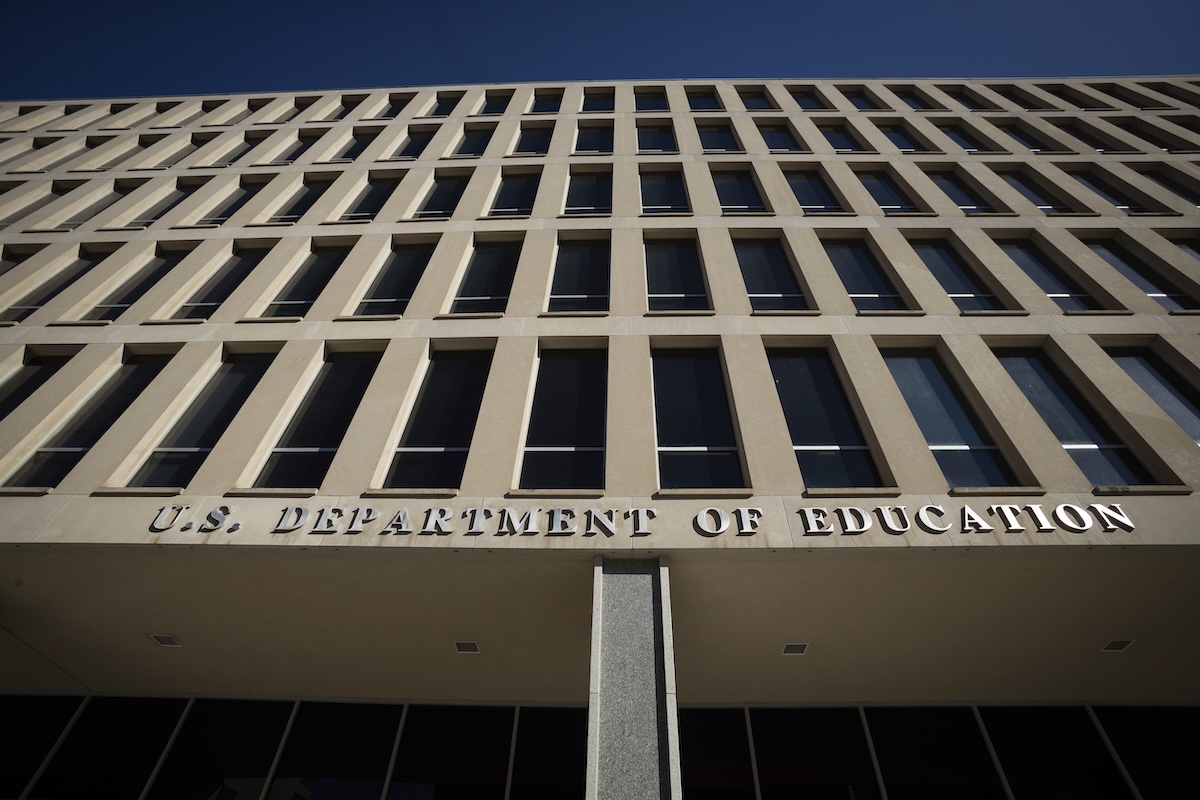
The federal government is making moves that will reshape how colleges operate and how families pay for school. This week,...

Publications Archives UnfavoriteFavorite April 9, 2026 UpSkill America, and Economic Opportunities Program Chelsea Miller Associate Director For the working adult...