What Happens When a Bill Goes to Collections?
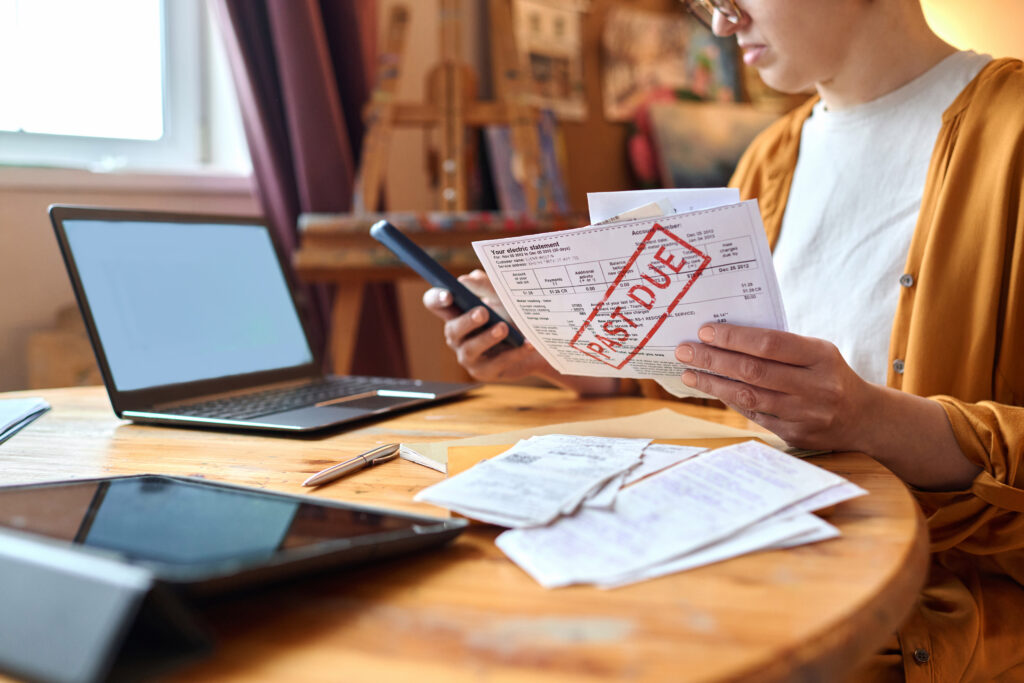

You miss a bill. Then another. Then suddenly you’re getting emails, calls, maybe even a letter from a company you’ve never heard of.
If you’re wondering what happens when a bill goes to collections, here’s the real answer: it’s not one dramatic moment—it’s a process. And once you see the sequence, it gets a lot less mysterious (and a lot more manageable).
We’ll walk through exactly how it unfolds, what it means, and what people usually do next.
At a basic level, a bill “going to collections” means the original company you owed money to has escalated things.
That can look like a few different setups:
From your side, it often just feels like: “Why is someone new calling me about this?”
It’s important to note that being late on a bill is not the same as being in collections. Collections is what happens after the usual reminders stop working.
This is the slow build-up phase.
You miss a payment. Then you get reminders. Maybe a late fee shows up. Maybe you ignore it because life is…life. Most companies don’t send accounts to collections immediately. They’ll usually try to collect for a while first.
At some point, the original company decides, “we’re done chasing this,” and hands it off. Now a collection agency steps in.
This is usually when you notice a shift:
Sometimes the debt is just assigned. Other times, it’s sold. Either way, your point of contact has changed.
This is where things get more structured. When a collector contacts you, they’re generally required to provide key details about the debt, like the amount and who it’s from.
You’re not expected to just take their word for it.
You can:
This happens more than people think. You get a call or letter and think, what bill?
Possible reasons:
If it doesn’t look familiar, pause. Don’t assume it’s correct just because someone says you owe it.
Nothing explodes overnight—but ignoring it doesn’t freeze things either.
What usually happens:
That last one isn’t guaranteed, but it’s on the list of possible outcomes. This is more “slow burn” than “instant disaster.”
Yes, collections can affect your credit—but how and when depends on the type of debt.
For many non-medical debts, a collection account can show up on your credit report and stick around for years. That can influence things like loan approvals, housing applications, or interest rates.
So when people ask, “Is it bad for bills to go to collections?”—the honest answer is: It can be, but the impact varies.
Once the dust settles, many people end up doing some version of the same thing:
If you’re wondering, “should I pay a bill that’s in collections?”—that’s less about a universal rule and more about making sure you understand the situation first.
Also worth noting: who you pay depends on who owns the debt now. Sometimes it’s the collector. Sometimes it’s still tied to the original company.
A bill going to collections feels like a big, dramatic turning point. In reality, it’s more like a shift in who’s handling the situation.
Once you understand how it works, it’s less “what is happening to me” and more “okay, I see where I am in this.” And honestly, that’s the difference. The more knowledge you have, the more prepared you’ll be to respond in a way that makes sense for you financially.
The content provided is intended for informational purposes only. Estimates or statements contained within may be based on prior results or from third parties. The views expressed in these materials are those of the author and may not reflect the view of National Debt Relief. We make no guarantees that the information contained on this site will be accurate or applicable and results may vary depending on individual situations. Contact a financial and/or tax professional regarding your specific financial and tax situation. Please visit our terms of service for full terms governing the use this site.

Student Loan Live Q&A with Robert: PSLF Trackers, SAVE Forbearance, and Navigating RAP vs. IBR ...

Graduation is a big milestone. You’ve put in the work and now you’re ready to move forward. But for many...

The PSLF Buyback program lets you pay for past deferment or forbearance months so they count toward Public Service Loan...