What Does “Consolidation” Mean in Personal Finance?
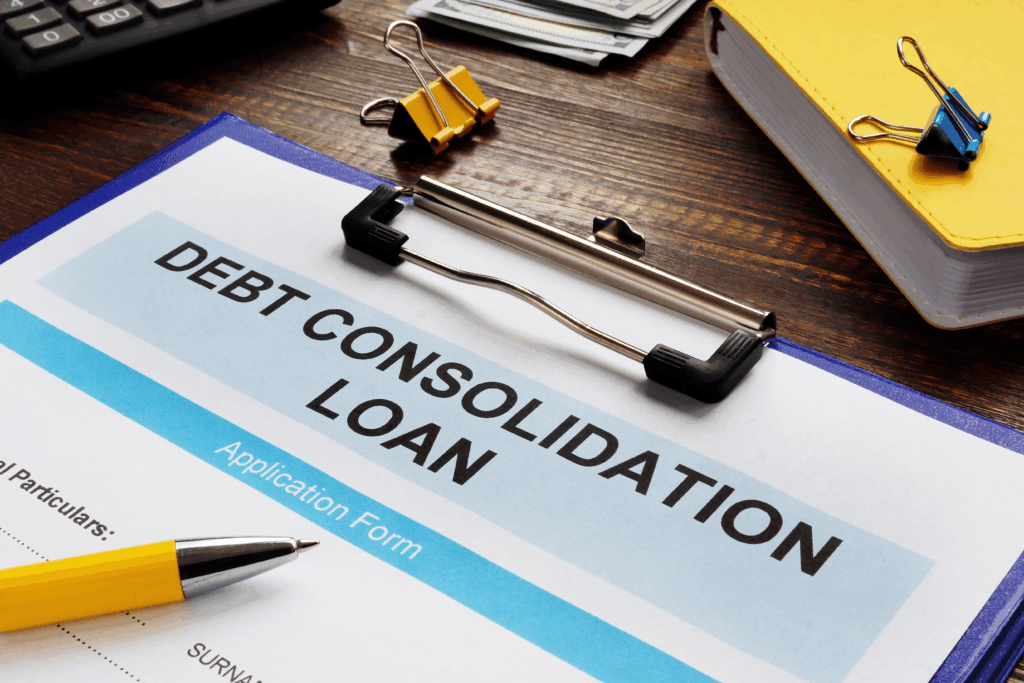

If you’re juggling multiple credit cards or other debts, you know what a hassle managing them all can be. And if those debts have high interest rates, you might also be frustrated by how much you’re paying in interest alone.
In situations like this, debt consolidation may help. But just what does consolidation mean? And is it right for you?
How do you define consolidation? Simply put, when you consolidate debt, you take several debts and roll them into one.
For example, if you have several credit cards you’re paying off, you might decide to take out a debt consolidation loan. Once you receive the loan funds, you can use them to pay off all of the credit cards. With the cards paid off, you’ll only have to pay down the debt consolidation loan.
Having one payment instead of many is convenient, but debt consolidation is usually about more than that. Most people who consolidate debt look for a lower interest rate, lower monthly payments, and other favorable loan terms. That way, they usually end up paying less over time.
Thinking about consolidating your debt? Here’s a look at how the process generally works.
Add up the face value of your existing debts and write down the interest rate of each.
Many online lenders will offer pre-approvals that don’t hurt your credit. Look for consolidation loans with lower interest rates than your existing debt.
If you find an option with favorable loan terms, go through the application process.
In most cases, you’ll receive your funds within a day or two. When you do, use them to pay off your existing debts.
Make your payments as agreed, and do your best not to take on additional debt.
When you finance a car, the loan is secured by the vehicle itself. If you don’t pay, the lender can repossess and sell the vehicle. If your car loan is one of several debts, you might want to consolidate it. But can you?
It depends. You may not be able to consolidate secured debt as readily as unsecured debt. Even if you can, it may not be worth it.
Generally speaking, secured debts have lower interest rates because of the collateral involved. Consolidation loans are unsecured, so even if you manage to include your car loan in your debt consolidation, you could end up paying more in interest than before.
If you’re dealing with multiple debts, consolidating them may offer several advantages.
For many people, having one monthly payment is easier than having several. You won’t have to worry about forgetting a payment, and having just one debt payment makes budgeting and financial planning much easier.
Consolidation loans usually come with lower interest rates (and sometimes other favorable loan terms as well). With the right consolidation loan, you can drastically reduce the total amount you pay.
When you take out a consolidation loan, you use the loan funds to pay off old debt. That means you bring any past-due debts current.
When it comes to personal finance, no solution is perfect. Before deciding to consolidate your debt, you should think about the possible disadvantages as well.
Debt consolidation only makes sense if you can secure more favorable loan terms. If you have poor credit or otherwise don’t qualify for a decent offer, you may only get approved for a consolidation loan with a higher interest rate.
In many cases, consolidation loans come with upfront fees. You should take the time to consider whether these fees are worth it before accepting any offer you receive.
It’s a common problem: Many people will consolidate their credit card debt and immediately start using their cards again. They’re then stuck paying back the consolidation loan as well as their new credit card balances.
Under the right circumstances, debt consolidation could help you pay off debt faster, pay less over time, and reach your financial goals. However, that doesn’t mean it’s necessarily the right choice for everyone.
If you’re considering consolidation, take a close look at your finances and weigh the pros and cons. Also, don’t be afraid to ask a financial advisor for guidance.
The content provided is intended for informational purposes only. Estimates or statements contained within may be based on prior results or from third parties. The views expressed in these materials are those of the author and may not reflect the view of National Debt Relief. We make no guarantees that the information contained on this site will be accurate or applicable and results may vary depending on individual situations. Contact a financial and/or tax professional regarding your specific financial and tax situation. Please visit our terms of service for full terms governing the use this site.

Sixty-eight percent of affluent investors were willing to pay for financial advice in 2025, up 10 percentage points from 2024...

The federal government is making moves that will reshape how colleges operate and how families pay for school. This week,...

Publications Archives UnfavoriteFavorite April 9, 2026 UpSkill America, and Economic Opportunities Program Chelsea Miller Associate Director For the working adult...