This Week In College And Money News: March 27, 2026

Financial stress across higher education institutions is becoming harder to ignore. This week, a major shift in how student loan collections are handled signals deeper changes at the federal level, while multiple universities face budget shortfalls, layoffs, and even the risk of insolvency.
Here’s a quick look at the most important stories shaping higher education and student finances this week for March 26, 2026.
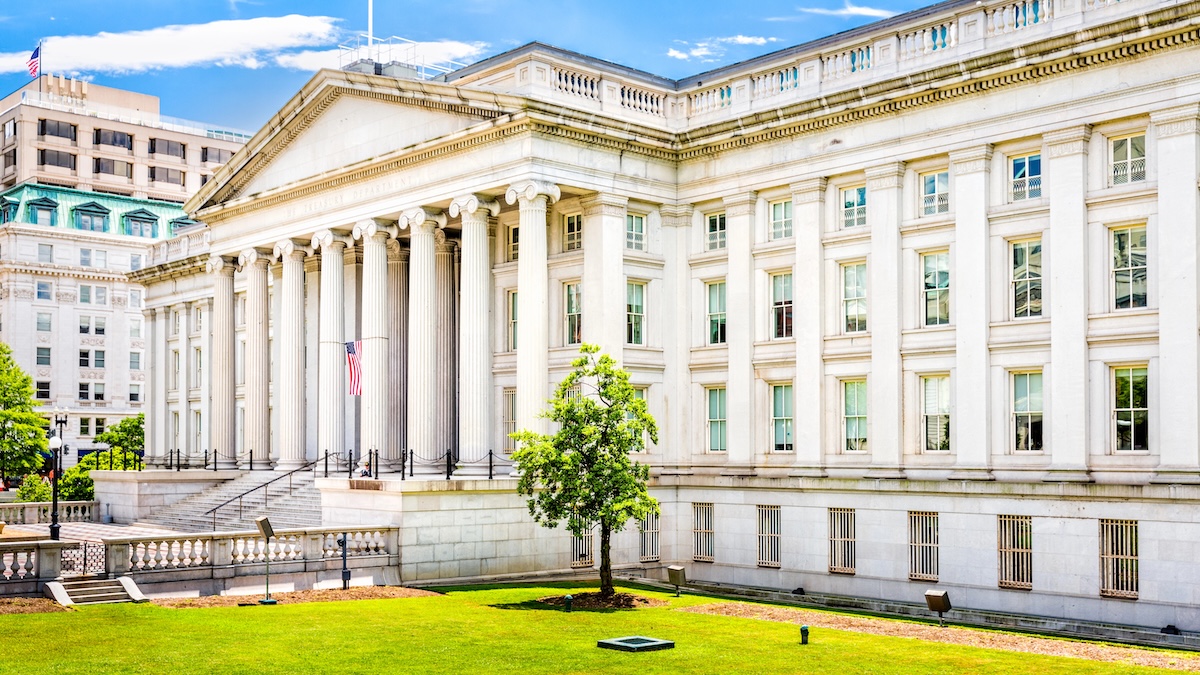
The U.S. Department of the Treasury will take over collection of defaulted federal student loans from the U.S. Department of Education under a new interagency agreement.
The move represents a major operational change in how defaulted loans are handled, centralizing collections within the federal government’s primary debt collection system.
Impact: For borrowers, this won’t be a visible change. Treasury already handled a lot about how collections are managed, including wage garnishment and tax refund offsets. However, it does highlight the broader restructuring of federal student loan administration.
Southern Oregon University warned it could face financial insolvency without intervention, prompting state lawmakers to approve up to $15 million in emergency funding.
The university cited declining enrollment and rising costs as key drivers of its financial challenges.
Impact: Even public universities are facing financial instability. For students, this raises concerns about program continuity, tuition increases, and long-term institutional viability.
Portland State University is weighing program eliminations and layoffs as it attempts to address a projected $35 million budget deficit.
University leaders say declining enrollment and rising operating costs have forced difficult financial decisions.
Impact: Program cuts can directly affect students’ ability to complete degrees on time, especially if majors or courses are eliminated midstream.
Across the country, institutions including Union College, Napa Valley College, and Central State University are announcing layoffs, hiring freezes, and program reductions.
These actions are largely driven by enrollment declines and ongoing financial pressure.
Impact: This is no longer isolated to a few struggling schools. Widespread cost-cutting signals structural challenges across higher education, which can ultimately affect tuition, services, and degree options.
Financial stress across higher education institutions is becoming harder to ignore. This week, a major shift in how student loan...

If you’re a homeowner struggling with high-interest credit card debt or multiple personal loans, using home equity for debt consolidation can be a strategic way to lower...

Investment Arbor Realty Trust and Chandan Economics’ latest Special Report leverages industry-leading data analysis to interpret...