This Week In College And Money News: March 20, 2026

Colleges are facing mounting pressure from multiple directions: federal policy, financial strain, and shifting student behavior. This week’s developments show how those forces are starting to collide, with implications for where students enroll, how colleges operate, and what it ultimately costs to earn a degree.
Here’s a quick look at the most important stories shaping higher education and student finances this week for March 20, 2026.
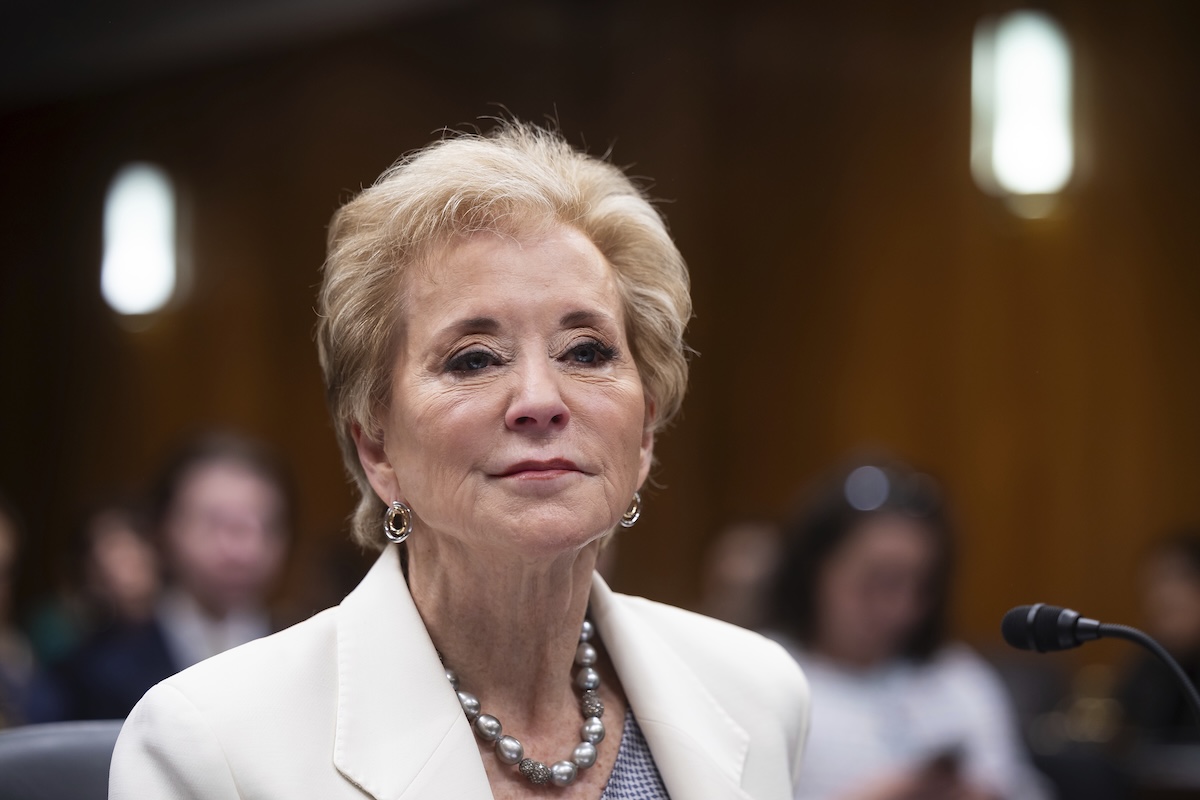
The U.S. Department of Education warned a major accrediting body that it could lose federal recognition if it does not revise standards related to diversity, equity, and inclusion.
Accreditors play a central role in determining whether colleges remain eligible for federal financial aid programs, including Pell Grants and student loans.
Impact: If an accreditor loses recognition, the colleges it oversees could risk access to federal aid, directly affecting students’ ability to pay for school.
New data from Federal Student Aid shows the federal student loan portfolio now exceeds $1.7 trillion across more than 42 million borrowers, alongside updated figures on repayment and forgiveness activity.
The big areas of concern are around delinquency and default, which are moving past pre-pandemic levels.
Impact: Understanding the size and trends of student debt helps frame future policy decisions and signals the long-term financial risks facing borrowers.
The New School announced it will be reducing up to 20% of its workforce as it works to address ongoing financial challenges.
The cuts follow earlier cost-reduction efforts and highlight continued financial strain at tuition-dependent institutions facing enrollment pressures.
Impact: Layoffs are often an early sign of deeper financial stress, which can lead to program cuts, reduced services, or future tuition increases.
A new survey found that more than half of prospective students say the political climate affects where they apply to college.
While students still prioritize academic programs and cost, political environment is becoming a growing factor in enrollment decisions.
Impact: Shifts in application patterns can reshape enrollment and revenue across institutions, creating financial winners and losers in higher education.

Can You Change Repayment Plans While Waiting For PSLF Buyback? This question is about PSLF Buyback. Nearly 100,000 student loan...
The Securities and Exchange Commission (SEC)’s next Enforcement Division Director will be David Woodcock, a partner at Gibson Dunn &...

While marriage often involves merging finances, debt isn’t always a shared burden. If one partner faces overwhelming financial distress while the other remains...