This Week In College And Money News: January 23, 2026

As federal student-loan policy tightens, states and colleges are experimenting with new ways to fill the gap — while lawmakers warn that some borrowers could be caught in the middle.
Here’s a quick look at the most important stories shaping higher education and student finances this week for January 23, 2026.
As federal student loan access narrows for graduate students (including the end of Grad PLUS loans and new caps on borrowing) several states are stepping in with state-based student loan programs aimed at graduate and professional students. These programs are designed to support fields such as medicine, law, education, and nursing, where costs often exceed new federal limits.
State officials say the goal is to preserve access to advanced degrees without pushing students entirely into the private loan market.
Here’s the list of state-based non-profit lenders.
Impact: Federal loan caps won’t affect all students equally. Where you live may now play a larger role in how much you can borrow (and on what terms) to complete graduate or professional school.
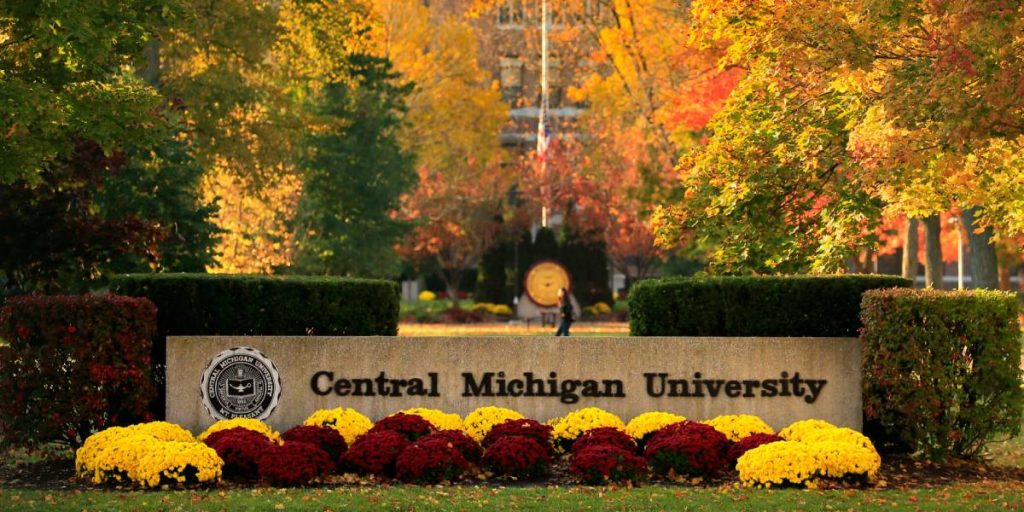
Central Michigan University announced the Central Career Guarantee for undergraduates beginning in fall 2026. Students who complete the program and do not secure employment or graduate school placement within six months of graduation can receive $2,000 and continued career services support.
The program is designed to reassure families worried about whether a degree will translate into post-college opportunities.
Impact: Outcome guarantees remain rare in higher education. As families scrutinize return on investment more closely, programs that tie cost to outcomes may become a stronger recruiting tool.
Idaho rolled out a new Parental Choice Tax Credit, offering up to $7,500 per student to help families pay for education-related expenses. The refundable credit can be used for tuition, textbooks, tutoring, and other qualifying costs.
State leaders say the credit is intended to give families more flexibility in how they pay for education.
Impact: Education tax credits can reduce out-of-pocket costs directly, but eligibility and allowable uses vary by state. Families should understand how state credits interact with federal education benefits and financial aid.
A bipartisan group of lawmakers is raising concerns that ongoing changes to federal repayment plans (including the phase-out of the SAVE plan) could disrupt access to Public Service Loan Forgiveness and other forgiveness pathways.
They warn that borrowers who planned their careers and finances around existing programs could face higher payments or longer repayment timelines if replacement plans are delayed or narrowed.
Impact: Forgiveness programs rely on stable rules over long periods. Borrowers pursuing forgiveness may need to monitor changes closely and be prepared to adjust repayment strategies as policies shift.

Sixty-eight percent of affluent investors were willing to pay for financial advice in 2025, up 10 percentage points from 2024...
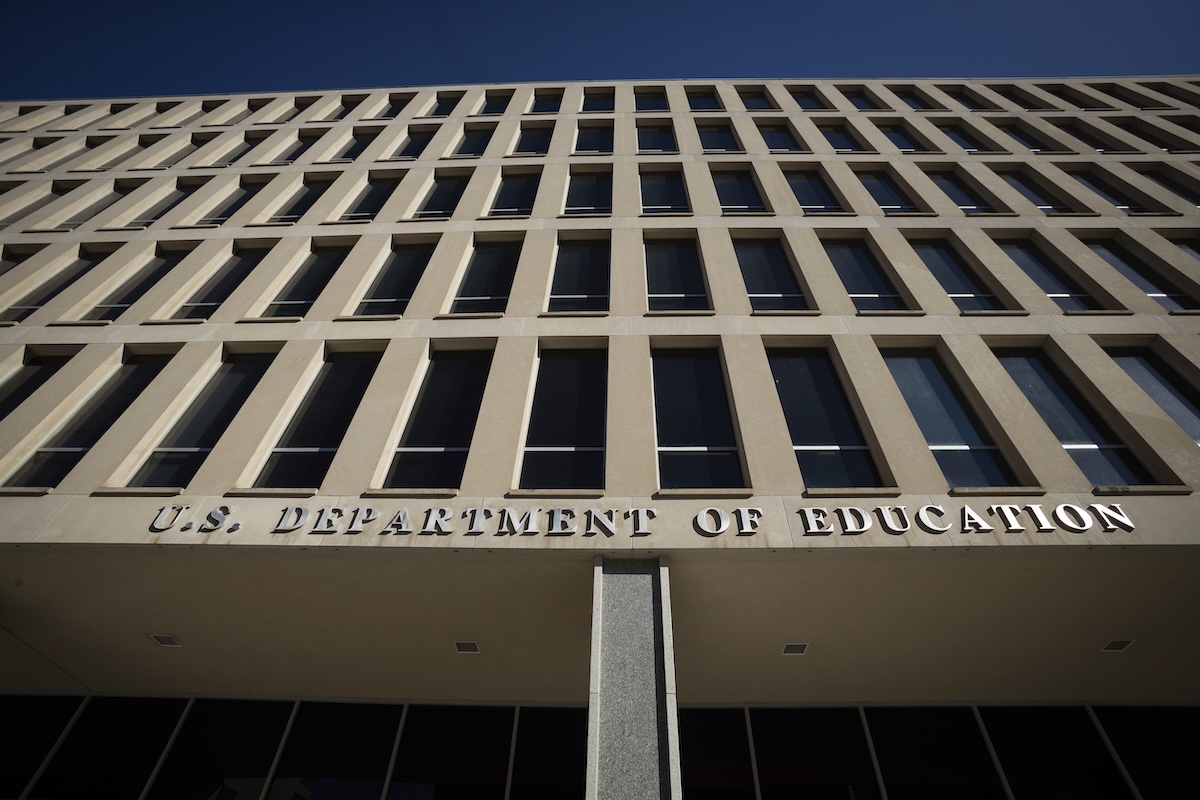
The federal government is making moves that will reshape how colleges operate and how families pay for school. This week,...

Publications Archives UnfavoriteFavorite April 9, 2026 UpSkill America, and Economic Opportunities Program Chelsea Miller Associate Director For the working adult...