This Week In College And Money News: December 26, 2025


After years of pauses and temporary protections, student loan collections are set to restart in a very real way. Federal officials confirmed this week that wage garnishment for borrowers in default will resume in early 2026 – a shift that could immediately affect millions of workers.
At the same time, FAFSA completion numbers are rising, calls for stronger financial education are growing louder, and one student’s accelerated path highlights how time, not just tuition, drives college costs.
Here’s a quick look at the most important stories shaping higher education and student finances this week for December 26, 2025.
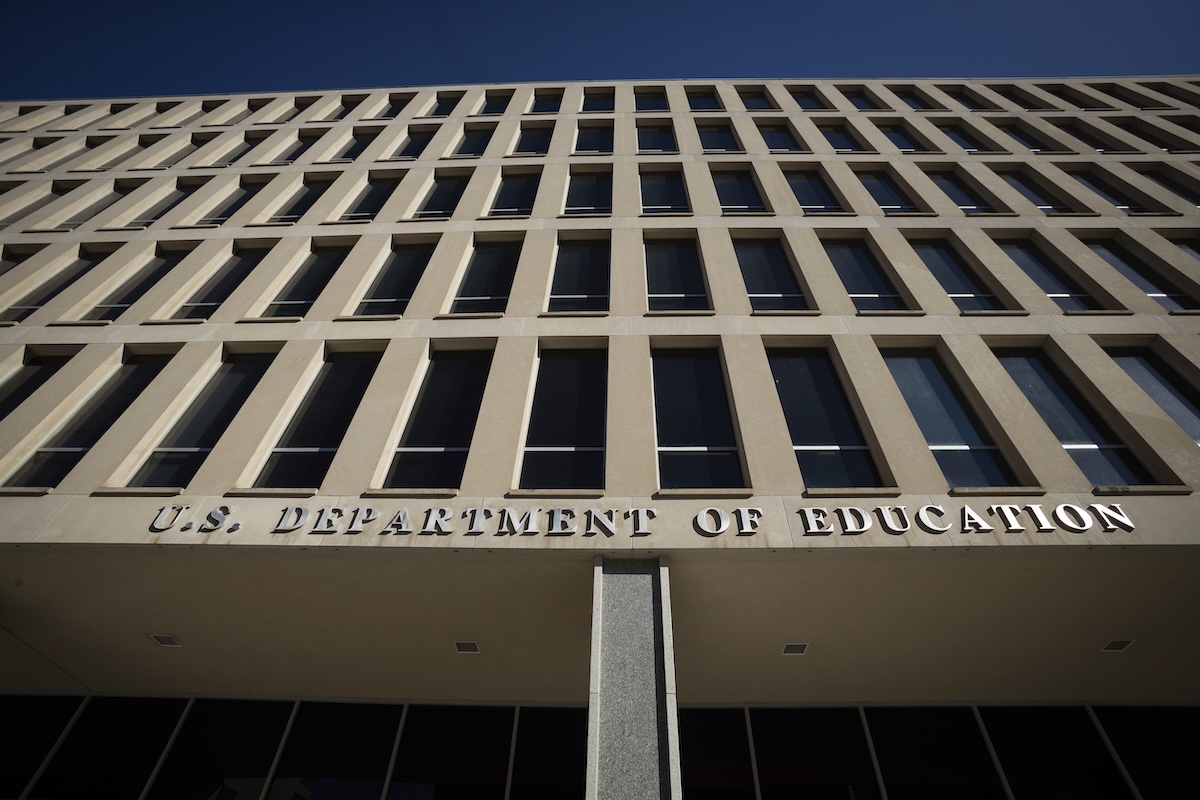
The U.S. Department of Education confirmed that wage garnishment will resume in early 2026 for borrowers who remain in default on federal student loans. Notices are expected to begin going out in January, with garnishment allowing the federal government to withhold up to 15% of disposable wages without a court order.
It’s also important to note that tax refund offsets are resuming – so the government will take your tax refund for defaulted student loans.
This marks a return to pre-pandemic collection practices after several years of pauses tied to emergency relief and repayment restarts.
Impact: For borrowers already facing higher monthly payments or income instability, garnishment can reduce take-home pay quickly. Those in default still have options to stop wage garnishment — including rehabilitation or consolidation — but timing now matters.
The Department of Education announced that more than 5 million FAFSA forms have already been submitted for the 2026–27 academic year, a notable increase compared with the same point last year.
Officials say the rise reflects smoother processing and improved awareness after recent FAFSA disruptions. Higher submission rates could influence how quickly colleges issue aid offers and how competitive certain enrollment cycles become.
Impact: Earlier FAFSA filing can improve access to limited aid such as state grants, campus-based funds, and need-based scholarships. Families that wait may still qualify for federal aid, but could miss out on other support.
A growing chorus of educators and policy advocates is calling for stronger personal finance education in middle and high schools. 28 states currently have some type of high school requirement, but there’s more to be done.
The argument: students are being asked to make complex decisions about college costs, loans, and repayment with little formal preparation.
Supporters say earlier exposure to budgeting, credit, and borrowing concepts could help young adults avoid costly mistakes once they reach college age.
Impact: Financial decisions tied to college often carry consequences that last decades. Better preparation before enrollment could reduce overborrowing and improve long-term outcomes.
A Wisconsin student made headlines this week after completing a bachelor’s degree just six months after graduating high school, using a mix of dual enrollment and accelerated coursework.
By finishing early, the student avoided years of tuition, housing, and living costs — saving tens of thousands of dollars compared with a traditional four-year path.
Impact: College cost conversations often focus on tuition, but time to degree remains one of the biggest drivers of total expense. Dual enrollment, credit transfer, and accelerated programs can dramatically reduce both debt and out-of-pocket costs.

Sixty-eight percent of affluent investors were willing to pay for financial advice in 2025, up 10 percentage points from 2024...
The federal government is making moves that will reshape how colleges operate and how families pay for school. This week,...

Publications Archives UnfavoriteFavorite April 9, 2026 UpSkill America, and Economic Opportunities Program Chelsea Miller Associate Director For the working adult...