Finding recovery in the sweat and community of a local gym

This story was originally published on Weave’s newsletter. Every week, you’ll get resources on how to weave our communities and restore social trust.
In 2007, when Dale King returned to his hometown of Portsmouth, Ohio, after his military service, he felt like he had “left one war zone for another.” The opioid epidemic had devastated his community, leaving behind abandoned buildings and few economic opportunities. “The town that I loved growing up was almost unrecognizable,” he says.
For King, the changes he saw were shattering. “What was the sacrifice worth overseas to come home and see our hometowns abandoned to this drug crisis?” he asked himself.
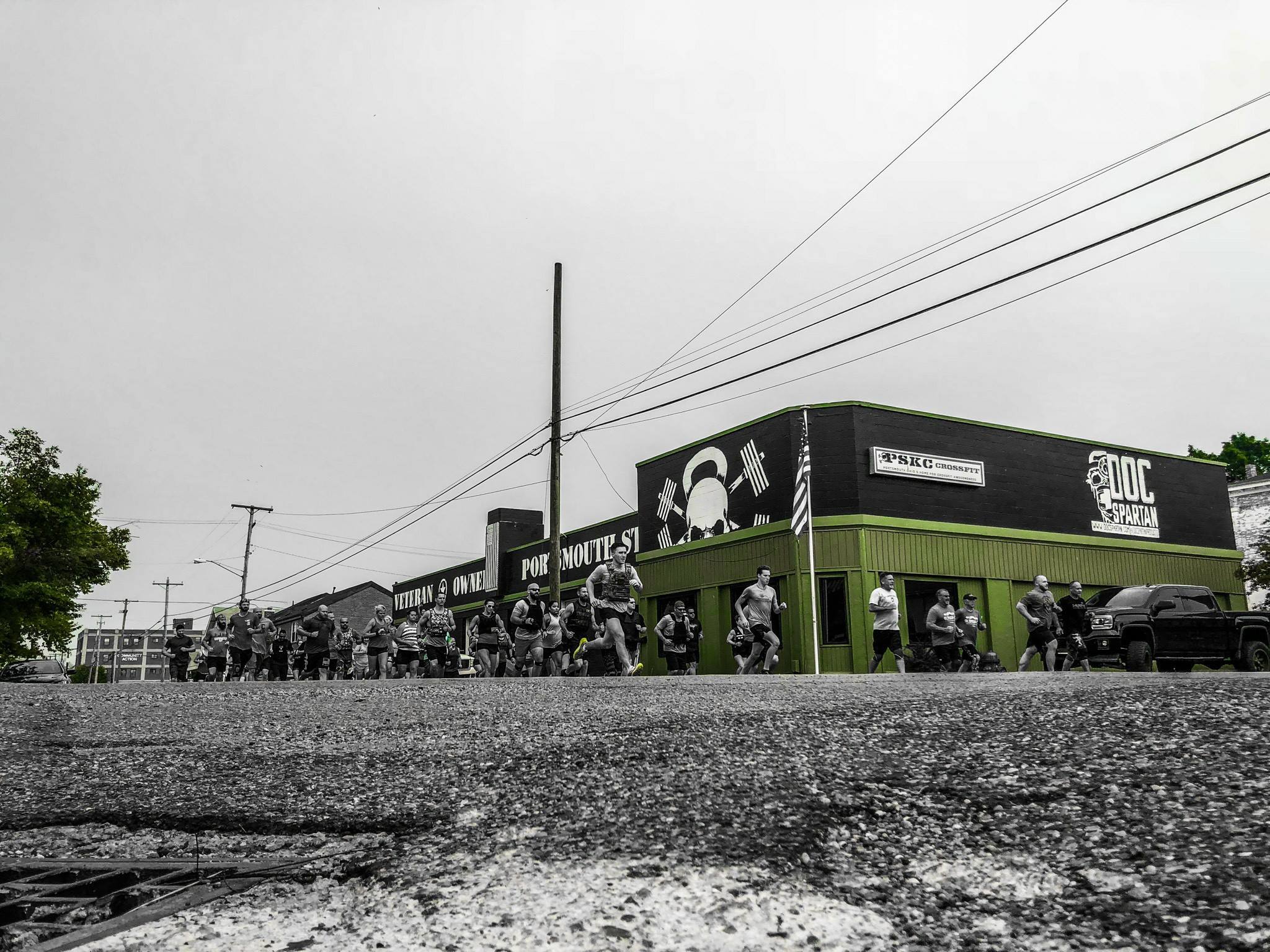
As a way to cope with his own reintegration struggles, King turned to fitness. In the military, he had seen the positive effects of physical stress in a team environment. So in 2010, he opened a small gym, the Portsmouth Spartan Kettlebell Club (PSKC). “I opened it up with no clue what I was doing and kind of learned on the fly, but it was fueled by a passion to help people,” King says. To claim some power over the opioid epidemic ravaging the community, he named his grueling Saturday workout “The Pain Clinic.”
By 2013, the gym was so popular that King bought a building in the historic downtown — one of the first new businesses to open in years — quit his job, and became a full-time entrepreneur. But the real turning point came several years later when a friend who worked at a local addiction treatment center, and was also in recovery, proposed using the gym’s model to help people struggling with substance use disorder. “Going through hard stuff” at King’s gym, alongside other people with similar struggles, had a profound impact on his recovery, his friend told him.
King agreed and began a program at his friend’s facility that paired intense physical workouts with group conversations and elements of cognitive behavioral therapy. These “hybrid counseling sessions” mirrored the psychological struggles of addiction, King says. The inner voice urging clients to quit a painful workout when it gets tough is the same voice that urges them to use drugs or alcohol when life gets tough outside the gym. Participants learned to recognize the negative voices in their heads without surrendering to them.
King’s approach relies on radical inclusivity and focus on mutual respect. People from all walks of life — those in recovery, affluent residents, and even local law enforcement officers — work out side by side. “It doesn’t matter where you’re coming from, everybody sweats together,” King says. “Ultimately, the only thing we care about is the level of effort.”
The shared hardship builds deep trust, breaks down long-held stigmas, and gives people a safe space to share their vulnerabilities. “If you can start with commonality first, that helps develop trust,” King says.
The gym’s impact has spread to the broader community. King hires individuals in recovery to work for his all-natural skincare company, Doc Spartan, which operates inside the gym. He uses his platform to share their transformation stories, changing how local employers view people with substance use disorder and helping folks in recovery get jobs and reintegrate into society. Today, in part because King was determined to “push down that first domino,” Portsmouth is experiencing a revitalization, with new businesses downtown, new parks, and a renewed sense of hope.
When asked how others can emulate his community-building success, King keeps it simple: “Just help one person. Just do one thing to help one person. You don’t need a five year plan. You don’t need some sort of big strategy. Find your gift and then use that gift to help as many people as you can.”
Texas public schools lost about 76,000 students in the 2025-26 school year, the first enrollment decline outside the Covid-19 pandemic...

If you’re considering a home equity loan and wondering whether you can deduct the interest on your taxes, the answer...

Articles Single-family rentals (SFR) now house 41% of the U.S. renter population, according to Rentometer Mid-Year...