Everything You Need to Know
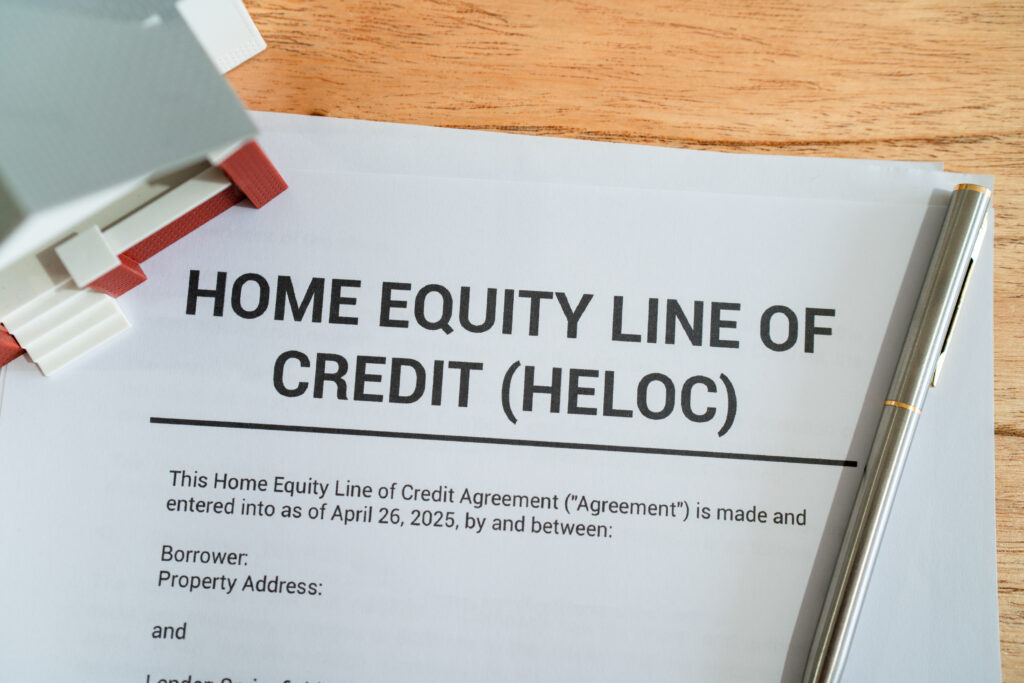

A HELOC, or home equity line of credit, lets you borrow against the value of your home as needed. It works similarly to a credit card but has lower interest rates.
Learning how to apply for a HELOC can help homeowners convert built-up equity into flexible funding for major expenses, such as home repairs, medical bills or student loans.
A HELOC is a revolving line of credit secured by your home. “Revolving” means you can borrow, repay and borrow again during the draw period, which usually lasts for five to 10 years. After that, the repayment period begins.
According to the Consumer Financial Protection Bureau (CFPB), HELOCs typically have variable interest rates, meaning the rate can fluctuate over time. You can learn more directly from the CFPB’s overview of HELOCs here.
A HELOC may be a good option if you need flexible access to funds over time rather than requiring a single lump sum right away. Because you borrow only what you use, you may pay less interest compared with taking out a traditional loan.
Many homeowners use HELOCs for expenses that don’t have a fixed cost, such as home improvements completed in phases or ongoing medical bills. HELOCs often have lower interest rates than credit cards because they are secured by your home, according to the CFPB.
A HELOC may also make sense if you want a backup source of funds for emergencies. Once approved, the line of credit is available even if you don’t use it right away. This can provide peace of mind without forcing you to take on debt immediately.
That said, a HELOC isn’t right for everyone. Because your home is used as collateral, missed payments can put your property at risk. Many financial advisors suggest choosing a HELOC only if you have a stable income and a clear plan for debt repayment.
Before applying for a HELOC, confirm that you meet common lender requirements. While each lender sets its own rules, most look at the following:
Many financial advisors recommend reviewing your credit report before applying for a HELOC so you can address errors or pay down balances if necessary.
Deciding how much credit you actually need is one of the first practical steps before applying for a HELOC. Borrowing more than necessary can increase costs and risk.
Lenders typically limit HELOCs to a combined loan-to-value ratio of about 85%, according to data from Experian. This means your mortgage balance plus your HELOC balance cannot exceed 85% of your home’s value.
You can apply for HELOC products through banks, credit unions and online lenders. Comparing at least three offers can help you find better terms.
When reviewing HELOC applications, pay attention to:
Most HELOC applications require basic financial documents, including:
Having these ready can expedite the HELOC application process, especially if you plan to apply online.
You can apply online with many lenders, or complete the process in person. An online HELOC application often allows you to upload documents, track progress and receive updates digitally.
During this stage, the lender will review your financial information and may order a home appraisal to confirm your property’s value. Appraisals help lenders determine how much equity you can safely borrow against.
Once approved, you’ll receive a disclosure outlining your credit limit, interest rate, fees and repayment terms. Federal law gives you three business days to cancel after closing. This is known as the “right of rescission,” as explained by the CFPB here.
Take time to review everything before signing. If something is unclear, ask the lender to explain it in plain language.
After closing, you can begin using your HELOC during the draw period. Many lenders provide checks, a debit card or online transfers to help you access your cash.
Responsible use is key, since your home serves as collateral.
A HELOC can offer flexible access to funds when you have equity in your home and a clear reason for borrowing. Taking time to review your credit, compare lenders and understand the terms can help you avoid surprises later.
Because your home secures the line of credit, it’s important to borrow carefully and have a plan for repayment. When used responsibly, a HELOC can be a useful tool for covering large or ongoing expenses.
The content provided is intended for informational purposes only. Estimates or statements contained within may be based on prior results or from third parties. The views expressed in these materials are those of the author and may not reflect the view of National Debt Relief. We make no guarantees that the information contained on this site will be accurate or applicable and results may vary depending on individual situations. Contact a financial and/or tax professional regarding your specific financial and tax situation. Please visit our terms of service for full terms governing the use this site.
A HELOC, or home equity line of credit, lets you borrow against the value of your home as needed. It...

Publications Archives UnfavoriteFavorite April 9, 2026 UpSkill America, and Economic Opportunities Program Chelsea Miller Associate Director For the working adult...

Can You Change Repayment Plans While Waiting For PSLF Buyback? This question is about PSLF Buyback. Nearly 100,000 student loan...