College Athletes Earned $1.77 Billion In The First Year Of Revenue Sharing

Key Points
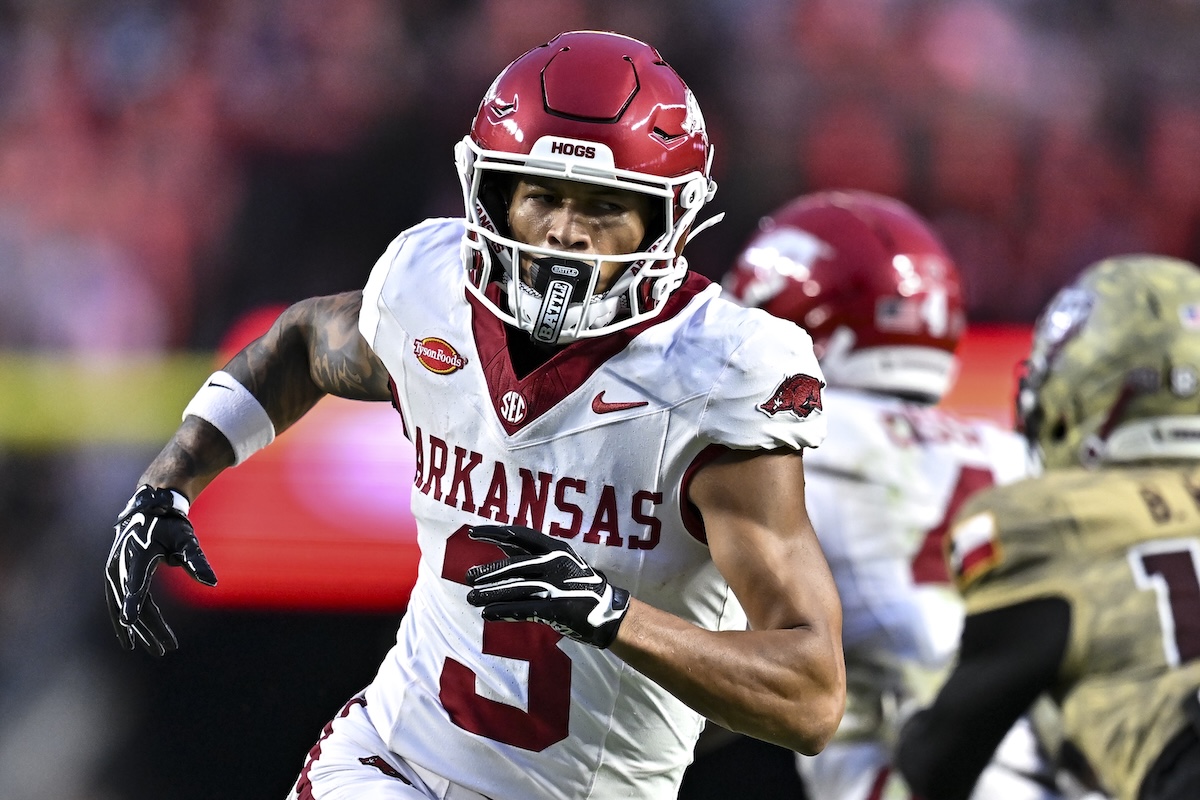
Colleges paid student-athletes $1.77 billion in direct revenue-sharing payments during the 2025-26 year. This was the first year schools could pay athletes directly from their own budgets and the data released was October 1 by the College Sports Commission (PDF File).
The money went to 34,915 athletes at 307 schools across 33 conferences and 45 sports.
Schools reported $1.98 billion in total distributions through the CSC’s College Athlete Payment System. That figure adds $42 million in Alston Awards and $163 million in new and incremental athletic scholarship spending on top of the revenue-sharing checks.
Divided evenly, the revenue-sharing pool works out to roughly $50,700 per paid athlete, based on The College Investor’s math using CSC figures. Athletes earning that money face the same financial planning questions as NIL earners, such as how the IRS and the FAFSA treat their income.
The averages, though, hide wide gaps between schools. Each participating school could share up to $20.5 million, yet only 68 of the 319 opted-in schools reached the cap or came within 5% of it. The average paying school distributed about $5.8 million.
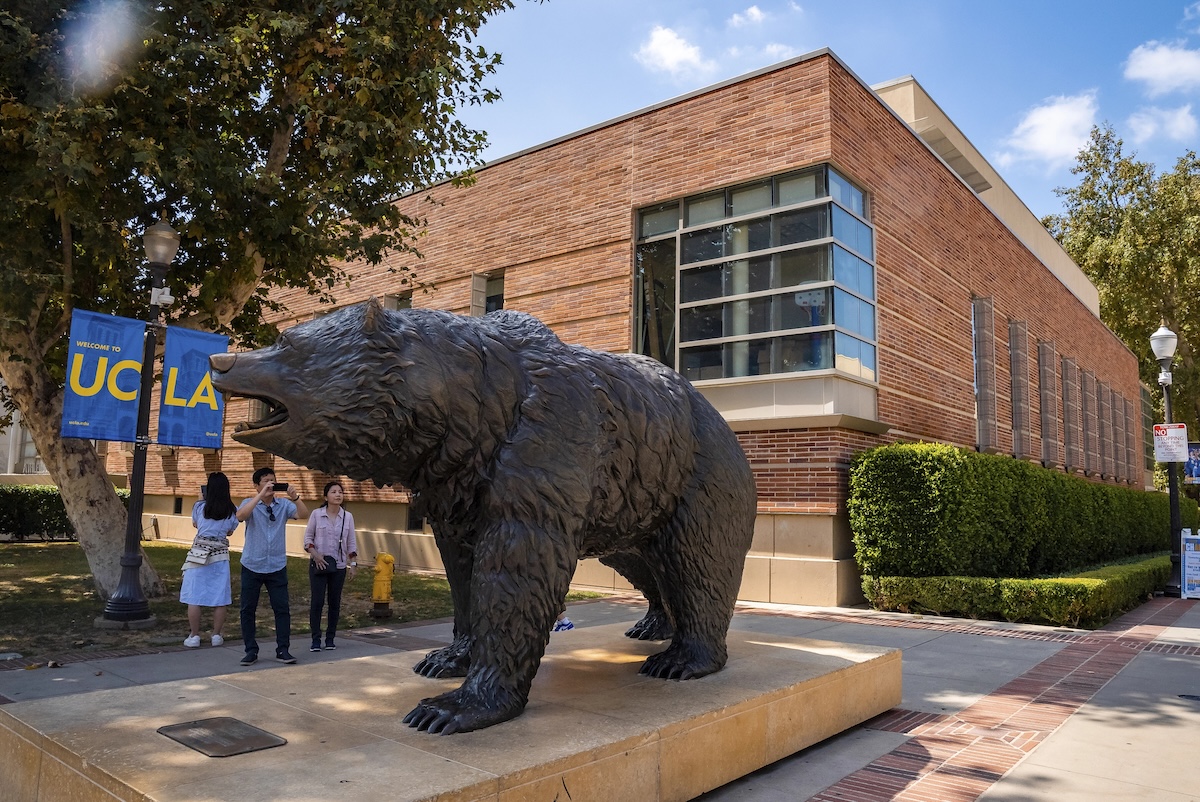
At the top end, we know that UCLA paid $20.5 million to 229 athletes and UC Berkeley paid $20.5 million to 147.
Revenue-sharing money comes from the school itself. Third-party name, image and likeness (NIL) deals are separate, and the CSC reviews those through its NIL Go platform.
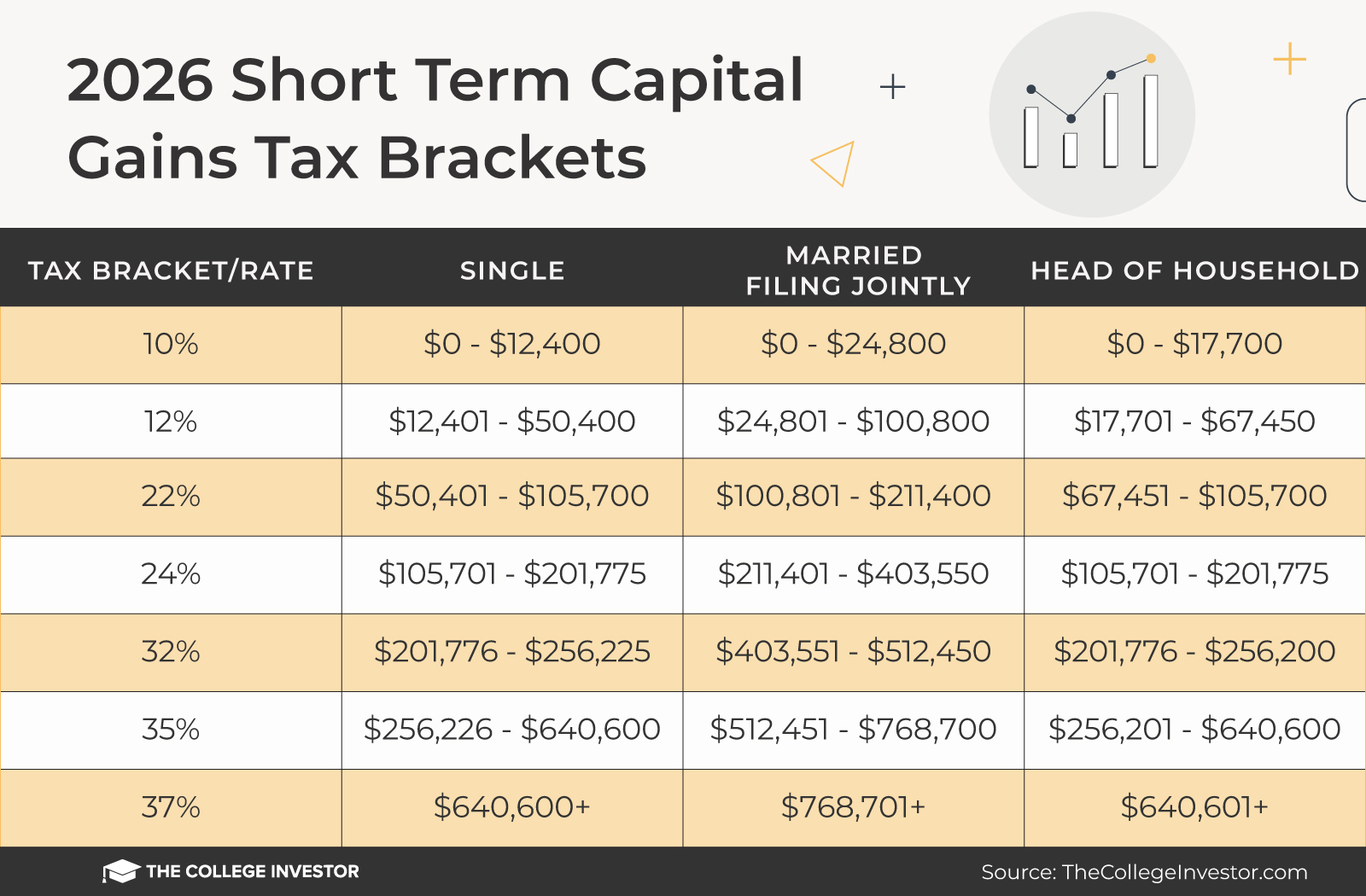
That split matters at tax time, because NIL income is generally treated as self-employment income subject to self-employment tax.
Most athletic departments already run deficits before revenue sharing enters the budget. Sharing this money with athletes, while incredibly beneficial to the athletes (and most people would say fair), is simply adding to the cost of college.
A GAO review found 94% of Division I programs spent more than they earned in 2023-24, and colleges covered $7.2 billion of that gap with tuition, student fees, and other unrestricted funds.
A school that pays out the full $20.5 million cap adds a cost roughly equal to the median Division I athletic deficit of $20.6 million.
The 2026-27 cap year began July 1 with a higher $21.58 million limit, and the CSC says it will publish aggregate revenue-sharing data after each year.
Congress could also change the rules: the Senate passed the Protect College Sports Act 77-22 on September 28, and the House has until January 3, 2027 to act before the bill dies.
Key Points Schools paid 34,915 college athletes $1.77 billion directly in the first year of revenue sharing. That works out...

Blog Posts Archives UnfavoriteFavorite September 30, 2026 Economic Opportunities Program The Aspen Institute Economic Opportunities Program (EOP) advances strategies, policies,...
The Justice Department’s Civil Rights Division announced on October 1, 2026 that the University of California, Los Angeles School of...