This Week In College And Money News: March 6, 2026

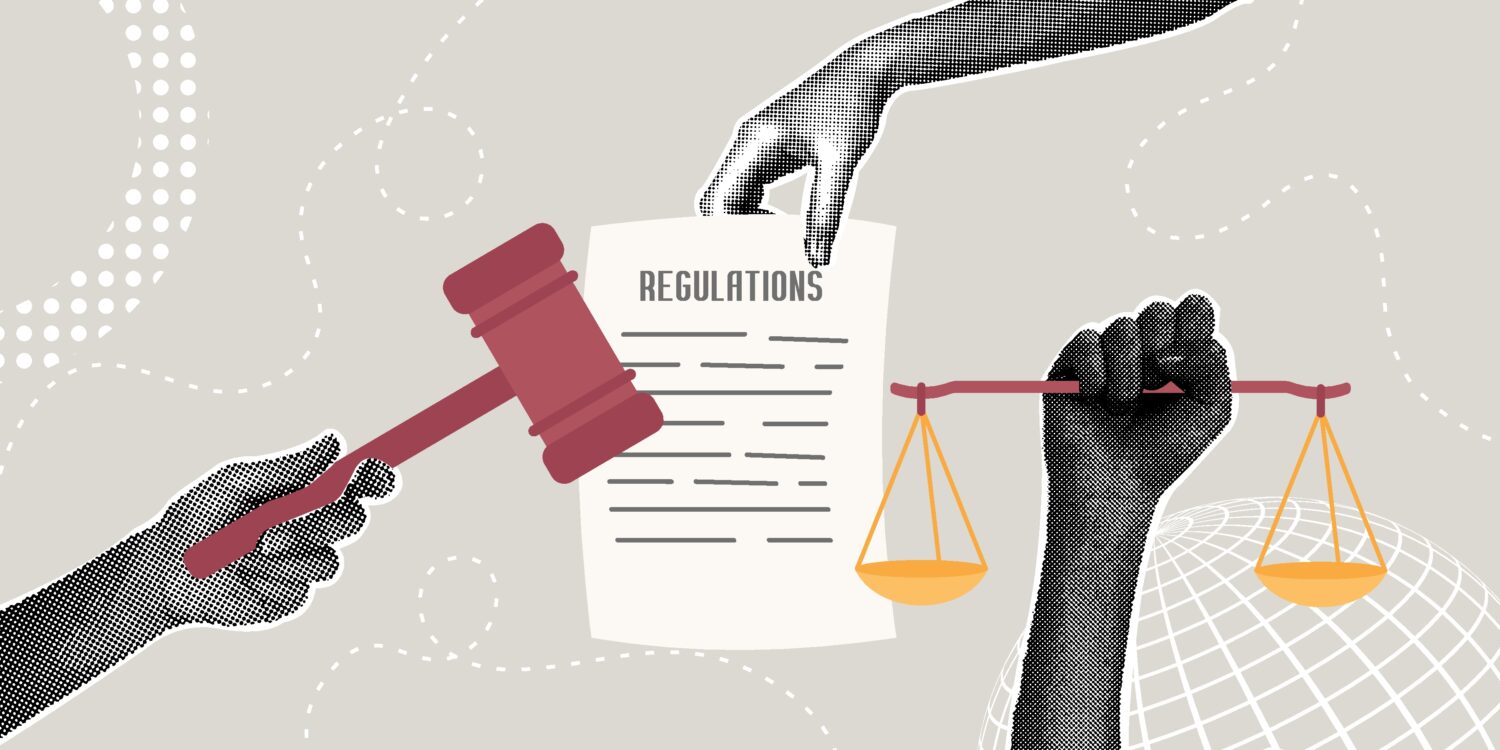
Student loan policy continues to resemble a made for TV legal drama, with courts, federal agencies, and lawmakers all shaping the future of repayment programs. At the same time, colleges are adjusting to new financial realities, from funding their own student loan programs to preparing for broader structural changes across higher education.
Here’s a quick look at the most important stories shaping higher education and student finances this week for March 6, 2026.
The ongoing legal fight over the Saving on a Valuable Education (SAVE) repayment plan took another turn this week. A federal judge refused to pause the dismissal of the lawsuit challenging the program while Republican-led states pursue an appeal.
Last Friday, a Federal judge dismissed the main lawsuit in the SAVE Plan.
GOP states asked the judge to stay the dismissal pending appeal. On Wednesday, the judge denied the request. By late Wednesday night, the states filed a notice of appeal.
For borrowers, however, the decision does not immediately change anything. Millions of borrowers remain in administrative forbearance, and the U.S. Department of Education still controls the timing of when repayment rules change or borrowers must move to new plans.
Impact: Despite the legal developments, borrowers should not expect immediate changes. The timeline for leaving SAVE or switching repayment plans will ultimately depend on Department of Education guidance.
Facing new federal borrowing caps set to take effect later this year, Washington University in St. Louis School of Law announced it will offer its own institutional loan program to students.
The program will provide up to $25,000 per year in financing, helping students cover the gap created by upcoming federal limits on professional student borrowing.
New federal rules will limit law school students to $50,000 per year and $200,000 total in federal loans beginning in July.
Impact: University loans aren’t new, but as federal borrowing limits tighten, more universities may offer their own loan programs — or students may increasingly turn to private law school loans to fill funding gaps.
California officials announced plans to expand the College Corps initiative, which allows students to earn money while serving in their communities.
Participants can receive up to $10,000 in financial support for working on projects related to climate action, food insecurity, and K-12 education.
Impact: Programs that allow students to earn income while in school can help reduce borrowing and provide career experience before graduation.
The U.S. Department of Education is moving forward with recommendations to overhaul the Institute of Education Sciences, the federal government’s primary research and data agency for education.
Officials say the changes aim to modernize research methods and improve how data informs policy decisions.
Impact: Federal research and data systems shape everything from financial aid policy to college accountability measures, which can influence funding and program decisions at universities.

Starting this fall, all seven schools in the University of Maine system, plus Cloud County Community College and Pratt Community...
Blog Posts Archives UnfavoriteFavorite August 31, 2026 Economic Opportunities Program The Aspen Institute Economic Opportunities Program (EOP) advances strategies, policies,...

Akron-Canton Airport, OH (CAK) CAK Guest Pass Tue–Fri, 10am–6pm. Apply at least 24 hours ahead. Limited to 50 visitors/week. Visitors...