Judge Dismisses SAVE Plan Lawsuit — SAVE Borrowers Still In Limbo
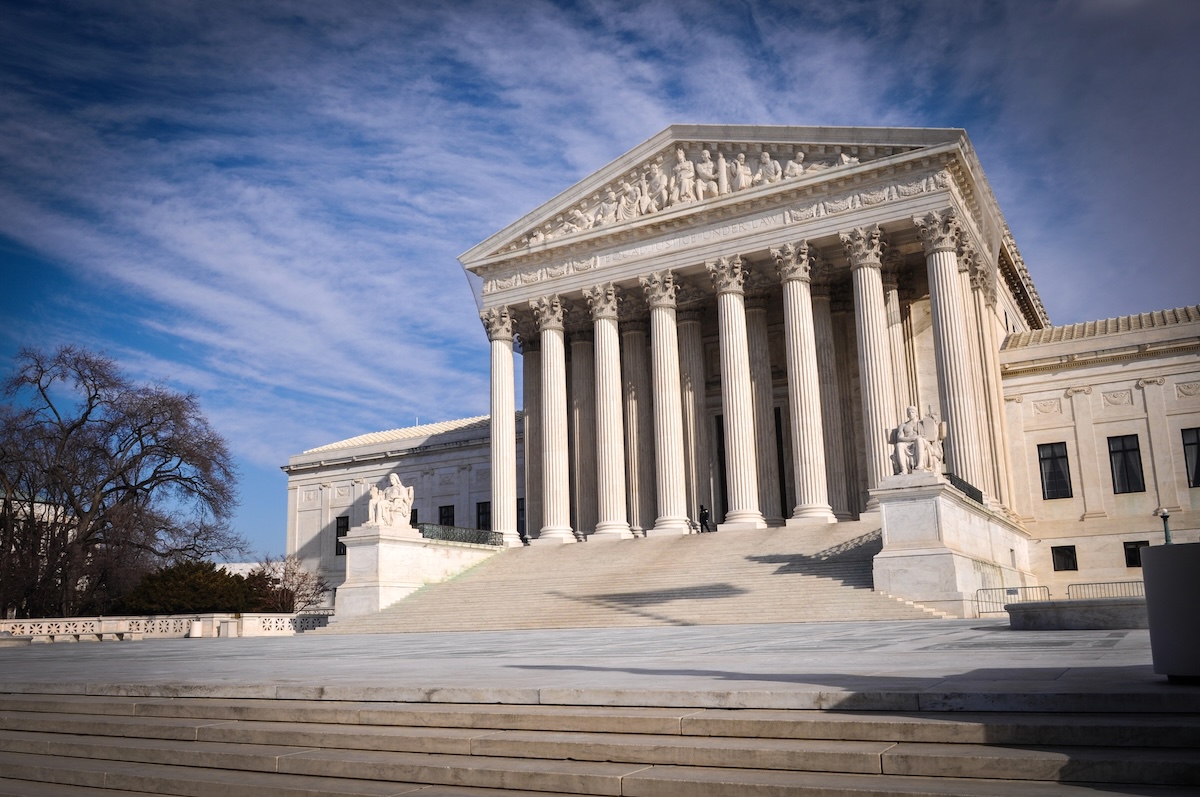

A federal judge on Friday dismissed the central lawsuit challenging the Biden-era SAVE student loan repayment plan — not because the court endorsed it, but because there is no longer a dispute to decide.
The ruling clarifies the legal posture of the case but does not immediately end the administrative forbearance for the roughly 7 million borrowers enrolled in SAVE.
The decision (PDF FIle), issued by Judge John A. Ross of the U.S. District Court for the Eastern District of Missouri, ends the case State of Missouri v. Trump without prejudice and rejects a joint request from the parties to vacate the SAVE rule outright.
The judge notes “that clarity must come from the Department of Education, and not from this Court, which is no longer empowered to weigh the merits of a case that is now moot.“
The lawsuit was originally filed in April 2024 by Missouri and other states challenging the Education Department’s 2023 rule creating the Saving on a Valuable Education (SAVE) income-driven repayment plan.
In June 2024, the court found the states were likely to succeed on their claim that the Secretary of Education exceeded statutory authority in granting loan forgiveness through SAVE and entered a preliminary injunction blocking further loan forgiveness under the plan.
The U.S. Court of Appeals for the Eighth Circuit later affirmed that injunction and instructed the district court to broaden it to block the entire SAVE rule, not just the forgiveness provisions. The district court complied in April 2025.
Then the political landscape shifted.
After a change in presidential administration, the federal defendants stopped defending the SAVE rule. On July 4, 2025, President Donald Trump signed into law the One Big Beautiful Bill Act, which the court said “effectively ends the SAVE plan, with a phasing out period”.
At that point, both Missouri and the federal government jointly asked the court to enter final judgment vacating the SAVE rule.
Judge Ross declined.
Under Article III of the Constitution, federal courts may only decide active “cases or controversies.” Because both sides now sought the same result and no longer had adverse legal positions, the court determined there was no live dispute to resolve.
The case was dismissed as moot.
As a result of today’s decision, the law allowing SAVE is currently in full force, though ED has not immediately taken any action to re-implement what was paused.
The judge concluded that because Congress has already passed legislation phasing out SAVE, and because the current administration no longer defends it, the court simply has no role left to play.
The practical result: even without this lawsuit, SAVE was already set on a wind-down path. The proposed settlement would have accelerated that process. The judge declined to rubber-stamp it. With that said, there are now pressing questions of what will happen to forgiveness, repayment, and more…
So, for SAVE borrowers, repayment under the plan is neither abruptly dead nor restored. It remains subject to legislative phaseout and administrative implementation. Student loan expert Mark Kantrowitz sums it up best, “It’s a zombie and cannot be resurrected.“
“[SAVE] is a zombie and cannot be resurrected”
– Mark Kantrowitz
In short, nothing.
Nothing new is happening for borrowers in the SAVE forbearance. Borrowers currently in forbearance will remain in forbearance until the Department of Education acts. Our current SAVE timeline estimates put the highest likelihood of repayment surrounding the launch of RAP this summer.
What borrowers should not assume:
The administrative forbearance remains in place until the Department of Education directs servicers otherwise. The judge explicitly signaled that implementation decisions now belong to the department.
Borrowers will eventually need to select a new repayment plan. Or, the Department of Education may undertake a negotiated rule-making session to automatically move borrowers.
Waiting is SAVE is likely not the best financial move, but there is no immediate urgency (as of publication) for that to happen.
As of now, we’re simply waiting on the final timeline for when borrowers will have to leave the SAVE plan.
Things to watch:
For now, the case is closed, and yes, SAVE is still ending. And annoyingly for borrowers, the final timeline is still uncertain.
Editor’s Note: We reached out to the Department of Education for comment, but as of publication, had not received a response. We also clarified the legal aspect of the ruling.
Don’t Miss These Other Stories:
Texas public schools lost about 76,000 students in the 2025-26 school year, the first enrollment decline outside the Covid-19 pandemic...

If you’re considering a home equity loan and wondering whether you can deduct the interest on your taxes, the answer...

Articles Single-family rentals (SFR) now house 41% of the U.S. renter population, according to Rentometer Mid-Year...