Federal Student Loan Losses Expected To Drop to 4% in 2026
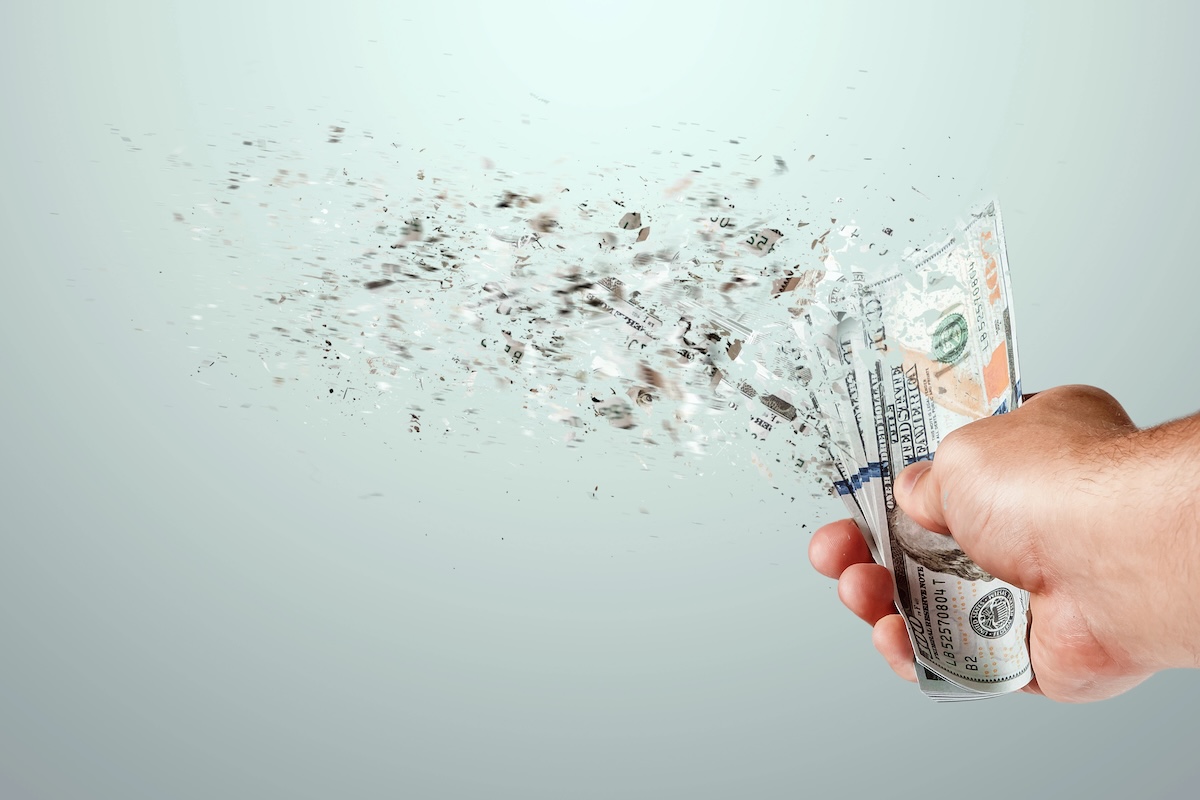

Student loans are often described as either a burden on taxpayers or a profit center for the federal government. Many Americans believe, because the government collects interest on student loans, that student loans may be profitable. The truth is far from that.
For years, official projections suggested that federal student lending would generate savings. That assumption collapsed as repayment plans became more generous, payment pauses stretched on during the pandemic, and forgiveness programs expanded. By 2024, new federal loans were projected to lose 28 cents on every dollar lent over their lifetime.
Now, new estimates from the Congressional Budget Office (CBO) suggest that 2026 could mark the “best year” in the history of the Direct Loan program, even though the government will still lose money overall.
Under recently enacted reforms in the One Big Beautiful Bill Act (OBBBA), the projected subsidy rate (the government’s expected loss per dollar lent ) will fall to 4% for loans issued in 2026. That means taxpayers are expected to lose 4 cents for every $1 disbursed, measured on a present-value basis.
While it’s not a profit, it represents a shift from recent years and one of the lowest projected costs since the Direct Loan program began.
The federal government has issued roughly $1.6 trillion in loans, at an expected lifetime cost exceeding $330 billion.
Early on, the program was expected to show some gains… but those gains never materialized.
By 2024, the same loans were expected to lose $205 billion – a swing of $340 billion.
The primary driver was the expansion of income-driven repayment (IDR) programs, culminating in the Biden administration’s SAVE plan. SAVE capped payments at as little as 5% of income above a protected threshold and eliminated unpaid interest growth for many borrowers. Payments could be $0 for lower-income households.
The COVID-era payment pause eliminated years of required payments. That further increased long-term costs.
By 2024, the subsidy rate on new loans reached 28%. Some graduate loans enrolled in IDR carried subsidy rates exceeding 30%.
The 4% figure is calculated using accounting rules established under the Federal Credit Reform Act (FCRA) of 1990. That method discounts future loan payments using Treasury rates and estimates the government’s fiscal cost.
Under this measure, 2026 loans will cost taxpayers about 4 cents per dollar lent, far below the 18-cent loss projected for 2025.
But budget analysts often look at a second metric: fair-value accounting.
Fair-value accounting incorporates market risk – the possibility that borrowers will not repay as expected in weak economic conditions. Under this approach, student loans issued in 2026 are projected to carry an 18-cent subsidy per dollar lent.
Some experts argue the difference reflects perspective: FCRA measures budgetary impact on the federal government, while fair-value more closely approximates the economic benefit to borrowers compared to private student loans.
The shift begins with OBBBA’s overhaul of repayment rules and graduate borrowing.
For new borrowers, OBBBA replaces existing income-driven repayment plans with a new Repayment Assistance Plan (RAP) for new borrowers.
Under previous IDR structures, borrowers paid 5% to 15% of income above a poverty-based threshold, with forgiveness after 20-25 years. SAVE also forgave unpaid interest monthly, preventing balances from growing.
RAP changes several key elements:
The new formula requires higher payments from higher earners, particularly households with incomes above $100,000. Extending forgiveness from 20-25 to 30 years also increases repayment totals.
The result is a sharp drop in projected subsidy rates. For undergraduate Unsubsidized Stafford loans, the subsidy rate under prior plans was nearly 37%. Under RAP, CBO estimates it at under 10%.
Graduate PLUS loans (long criticized for allowing unlimited borrowing) carried particularly high projected losses. In 2025, loans expected to enroll in IDR were projected to lose 33 cents per dollar. Under RAP, that falls to 27%.
OBBBA phases out Graduate PLUS and replaces it with new capped graduate lending. It remains unclear how subsidy rates will evolve once the new caps are fully in place, but limiting borrowing reduces taxpayer exposure to large balances that are unlikely to be fully repaid.
In short – these updated numbers means the United States government expects more borrowers to be repaying their student loans this year.
Lower subsidy rates do not mean student loans are becoming less accessible. They do mean repayment expectations are changing.
And the government is still not turning a profit.
Don’t Miss These Other Stories:
Texas public schools lost about 76,000 students in the 2025-26 school year, the first enrollment decline outside the Covid-19 pandemic...

If you’re considering a home equity loan and wondering whether you can deduct the interest on your taxes, the answer...
Articles Single-family rentals (SFR) now house 41% of the U.S. renter population, according to Rentometer Mid-Year...