This Week In College And Money News: February 6, 2026

College affordability remains front and center as elite universities expand aid, more families complete the FAFSA earlier than ever, and campuses grapple with the downstream effects of federal funding shifts. At the same time, new research is raising uncomfortable questions about who college financial aid is really benefiting.
Here’s a quick look at the most important stories shaping higher education and student finances this week for February 6, 2026.
According to new data, FAFSA completions by high school seniors are running more than 50% ahead of last year’s pace. Roughly 1.6 million applications for the 2026–27 aid year were submitted by late January, driven by the earlier FAFSA release and a smoother application process.
Higher completion rates increase the likelihood that students receive federal, state, and institutional aid — particularly need-based grants.
Impact: Filing the FAFSA early improves access to limited aid dollars. The surge suggests families are adapting to prior FAFSA disruptions and taking college financing more seriously earlier in the process.
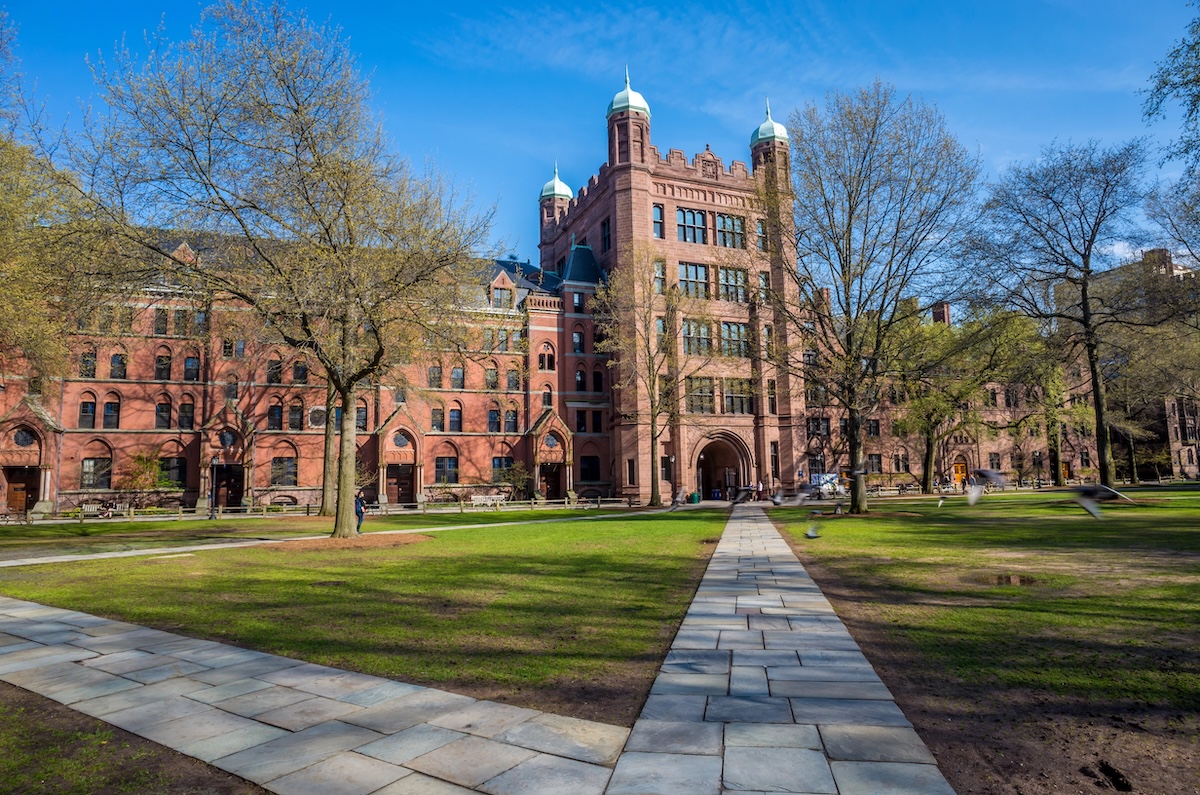
Yale University announced a major expansion of its undergraduate financial aid program. Beginning in fall 2026, students from families earning under $200,000 will qualify for free tuition, while those earning under $100,000 will continue to have the full cost of attendance covered.
The change places Yale among a growing group of elite universities widening aid eligibility to attract more middle-income families as sticker prices approach six figures.
Impact: While elite colleges enroll a small share of students overall, their financial aid policies influence broader expectations about affordability — and highlight the widening gap between institutions with large endowments and those without them.
Colleges across the country are beginning to feel the financial impact of federal policy changes. Several major universities have announced budget tightening, hiring freezes, or program reductions, citing uncertainty around federal research funding and regulatory shifts.
Institutions with heavy research portfolios appear especially exposed, raising concerns about ripple effects on graduate funding, campus employment, and long-term tuition decisions.
Impact: Budget pressure at large universities can translate into higher costs or fewer services for students. Financial stress at institutions often shows up first behind the scenes — before families see it reflected in tuition or fees.
A new policy analysis suggests that a growing share of institutional grant aid is being used to recruit higher-income students, rather than reduce costs for lower-income families. Researchers argue that competition for enrollment is reshaping how colleges deploy financial aid, even as affordability concerns worsen.
The findings raise questions about whether aid dollars are being used to improve access — or to manage institutional finances.
Impact: Families often assume grants flow primarily to students with the greatest need. In reality, aid strategies vary widely by school, making it harder to judge true out-of-pocket costs without close scrutiny of net price data.

Texas public schools lost about 76,000 students in the 2025-26 school year, the first enrollment decline outside the Covid-19 pandemic...

If you’re considering a home equity loan and wondering whether you can deduct the interest on your taxes, the answer...

Articles Single-family rentals (SFR) now house 41% of the U.S. renter population, according to Rentometer Mid-Year...