When To Hire A Student Loan Professional


Federal student loans come with a menu of repayment options, including income-driven repayment plans, Public Service Loan Forgiveness, and time-based cancellation programs. Private student loans add another layer, governed by contracts rather than federal rules.
Changes from the U.S. Department of Education (including new repayment plans, account adjustments, and servicing transitions) have left many borrowers unsure whether they are enrolled in the right program or on track for forgiveness.
For borrowers with six-figure balances, uneven income, or career paths tied to public service, the wrong choice can cost tens of thousands of dollars over time. That is the gap where hiring a student loan professional can be helpful.
But not every borrower needs paid help.
Free assistance is widely available and often underused.
Federal loan servicers are required to explain repayment options, process applications, and update accounts. The Department of Education also operates StudentAid.gov, which includes calculators and plain-language explanations of federal programs. However, StudentAid isn’t updated with all the latest changes, including the new Repayment Assistance Plan (RAP).
Nonprofit credit counseling organizations and organizations like TISLA also offer student loan guidance, particularly for borrowers facing delinquency or default.
Finally, there are great resources online, like Reddit /r/studentloans, Facebook Student Loan Help and Support Group, and The College Investor student loan forums.
Student loan attorneys focus on disputes, bankruptcy, and borrower rights. They are not primarily financial planners, but they play a critical role when student loans intersect with the legal system.
You might consider a lawyer if you are dealing with default, wage garnishment, tax refund seizures, or lawsuits over private loans. Attorneys can also help in cases involving disability discharge, borrower defense claims, or servicer misconduct.
A financial planner that specializes in student loans can help borrowers integrate student loans into a broader financial plan that includes taxes, retirement, savings, and family goals. There’s a specific designation that financial advisors can get: Certified Student Loan Professional (CSLP®) that designates they are well versed in student loan debt.
Financial planners are trained to evaluate tradeoffs, such as whether to prioritize loan repayment over investing or how income-driven plans affect future tax bills.
There are also financial planners that focus on student loans but work with sub-sets – like StudentLoanAdvice focuses on those in the health and medical fields.
Some companies market themselves as student loan specialists without being lawyers or CFPs. While some provide legitimate assistance, the industry has also seen widespread complaints about high fees for services borrowers could obtain for free.
Warning signs of student loan scams include promises of “guaranteed forgiveness,” pressure to pay upfront, or advice to stop communicating with your loan servicer.
Before paying, borrowers should verify credentials, fee structure, and whether the service duplicates what federal programs already provide at no cost.
Paying for help tends to make the most sense when the financial stakes are high or the rules are unclear. Examples include:
Free help is often enough when:
Before hiring anyone, borrowers should start with free resources to understand their baseline options. Gather loan details, repayment history, and income information. Write down specific questions — not just “What should I do?” but “What happens if my income doubles?” or “How will forgiveness be taxed?”
If professional help still feels necessary, match the problem to the professional. Legal problems call for lawyers. Long-term strategy points toward a financial planner. Routine questions usually do not require paid assistance.
The right help can be valuable. The wrong help can be expensive. Knowing the difference is part of managing student loans wisely.
Don’t Miss These Other Stories:

High-yield savings account rates held steady to start Septmeber. With the Fed looking at rate increases this week, banks are...

Publications Archives UnfavoriteFavorite September 14, 2026 Financial Security Program Katherine Lucas McKay Principal Researcher, Insights and Evidence Contents INTRODUCTION The...
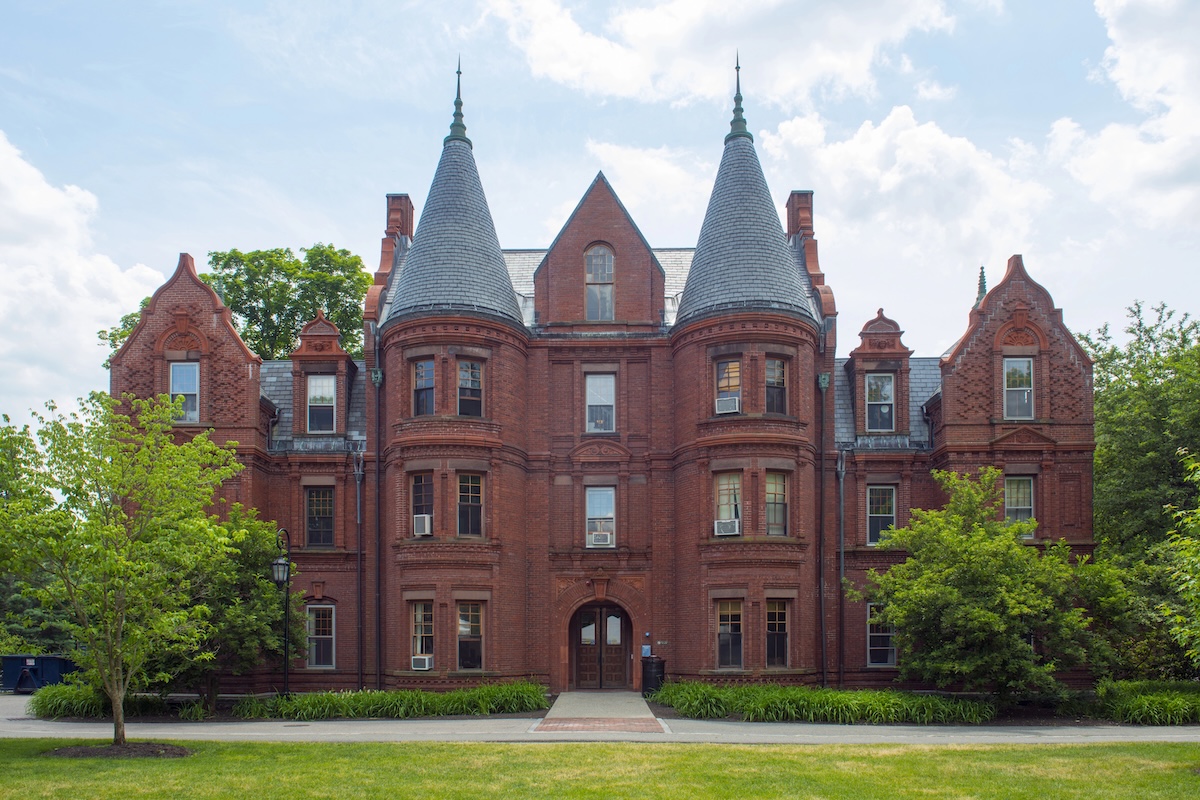
Wellesley College announced that families earning under $200,000 a year will pay no tuition beginning in fall 2027, under a...