Lawsuit Says MOHELA Still Failing Student Loan Borrowers
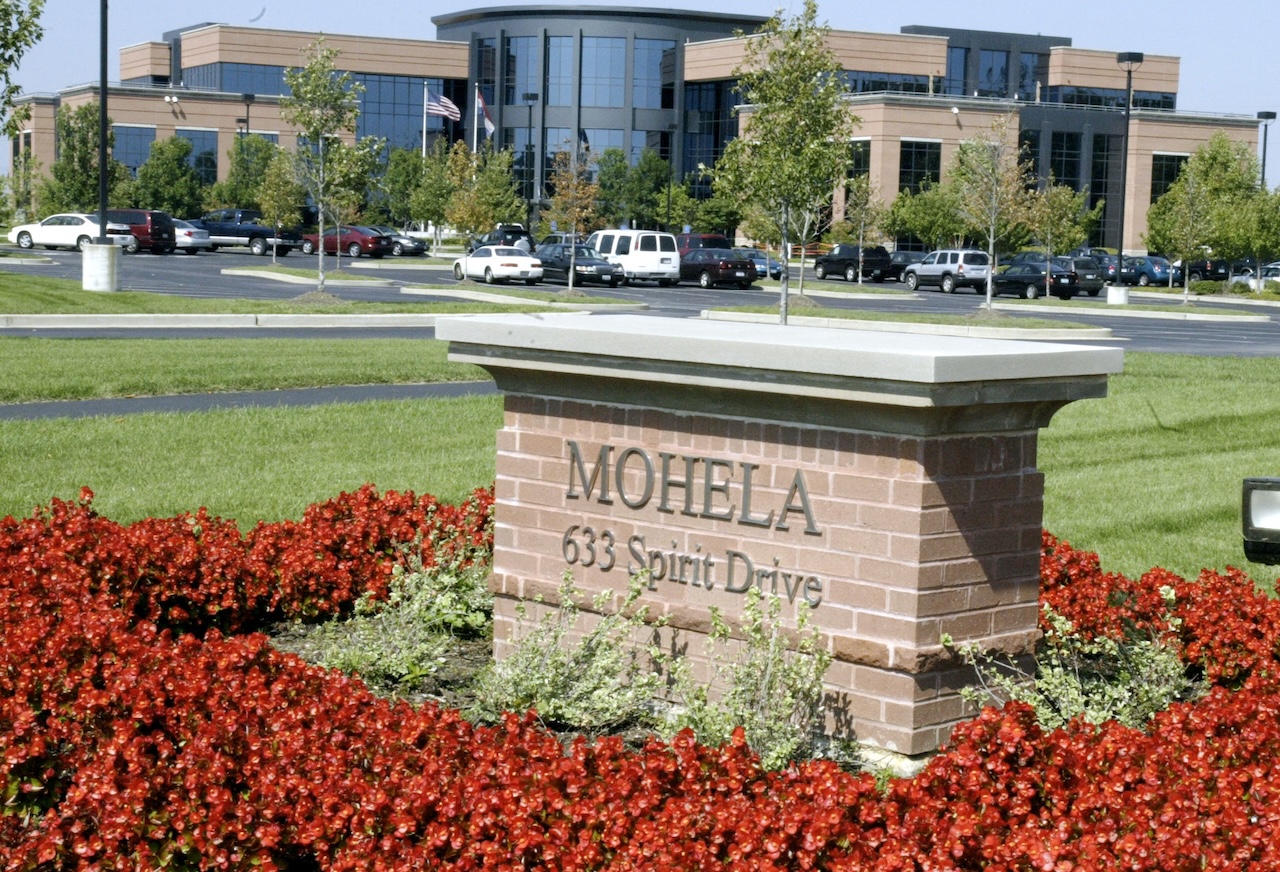

The American Federation of Teachers is escalating its legal fight against one of the nation’s largest student loan servicers, arguing that conditions for borrowers have not improved (and may have worsened) since the lawsuit was first filed last summer.
On January 15, the union filed an amended complaint (PDF File) against the Higher Education Loan Authority of the State of Missouri, better known as MOHELA, in federal court in Washington, D.C. The revised filing expands on earlier allegations that MOHELA violated consumer protection law by failing to provide basic loan servicing functions, including accurate billing, timely processing of repayment and forgiveness applications, and meaningful access to customer service.
The amended complaint also introduces new federal government performance data comparing student loan servicers – data that, according to the filing, places MOHELA at the bottom of the pack for customer service.
According to the latest student loan statistics, MOHELA is the 4th largest loan servicer by number of borrowers serviced – with 7.23 million borrowers.
The original lawsuit, filed in July 2024, accused MOHELA of engaging in deceptive and unlawful practices in violation of the District of Columbia Consumer Protection Procedures Act. The amended complaint argues that MOHELA’s problems were not isolated pandemic-era failures but instead reflect ongoing business decisions that prioritize cost-cutting and growth over borrower support.
According to the filing, the Department of Education has paid MOHELA more than $1.1 billion since 2011 to service federal student loans. Today, MOHELA services more than seven million borrower accounts nationwide, including a disproportionate share of borrowers pursuing Public Service Loan Forgiveness.
The amended complaint alleges that MOHELA has continued to:
The AFT argues that these failures have concrete financial consequences for borrowers, including unnecessary payments, missed forgiveness credit, damaged credit standing, and prolonged debt burdens.
One of the most striking additions to the amended complaint is new federal data comparing how long borrowers wait to speak with customer service representatives at different loan servicers.
According to the Department of Education’s loan servicer performance metrics cited in the filing, MOHELA borrowers wait about seven times longer than borrowers serviced by EdFinancial to speak with a representative. Compared with borrowers at Aidvantage, CRI, and Nelnet, MOHELA borrowers wait more than 50 times as long.
Call abandonment rates tell a similar story. While no other major federal loan servicer sees more than 5 percent of callers hang up before reaching a representative, MOHELA’s abandonment rate exceeds 14 percent—nearly three times higher.
The amended complaint argues that these numbers are not accidental. Instead, it alleges MOHELA intentionally relies on “call deflection” strategies (routing borrowers to automated systems, websites, or self-service tools) rather than staffing call centers adequately.
For borrowers, that can mean hours on hold, dropped calls, unanswered messages, and unresolved account errors.
Student loan servicers are the primary point of contact for federal borrowers. They send bills, process payments, calculate repayment plans, and track progress toward forgiveness. When servicers fail, borrowers often have nowhere else to turn.
The amended complaint includes detailed examples of borrowers who:
For borrowers pursuing PSLF (teachers, nurses, first responders, and other public servants) servicing errors can be especially costly. A single misapplied payment or unnecessary forbearance can delay loan cancellation by months or even years.
The AFT argues that these problems persist even as federal policy changes have made accurate servicing more important than ever, including repayment restarts, income-driven repayment adjustments, and ongoing litigation affecting repayment plans.
The case comes at a time when millions of borrowers are navigating repayment after years of pandemic-era disruptions, shifting repayment plans, and legal challenges to student loan relief programs. Accurate servicing and accessible customer support are essential for borrowers to make informed financial decisions.
The AFT argues that MOHELA’s conduct underscores the need for stronger consumer protections and greater accountability in the student loan system. The amended complaint seeks injunctive relief, civil penalties, and changes to MOHELA’s practices under D.C. consumer protection law.
The lawsuit does not immediately change borrowers’ obligations or erase debt. Court cases can take years, and outcomes are uncertain. Still, the amended complaint highlights issues borrowers should watch for closely.
Borrowers with MOHELA-serviced loans may want to:
Borrowers experiencing errors may also benefit from filing formal complaints with their own state attorneys’ general, which can help document systemic problems and trigger additional oversight.
Whether the lawsuit succeeds, and whether it leads to lasting changes for borrowers, will be closely watched across the student loan system.
Don’t Miss These Other Stories:

The National Student Clearinghouse Research Center released its 14th annual High School Benchmarks report on September 17, 2026, tracking where...

If you’re overwhelmed by education debt, you may be asking, “Can I file bankruptcy on student loans?” The answer is...

A dividend is a cash payment a company sends to shareholders, quarterly for most U.S. stocks. Reinvested dividends account for...